

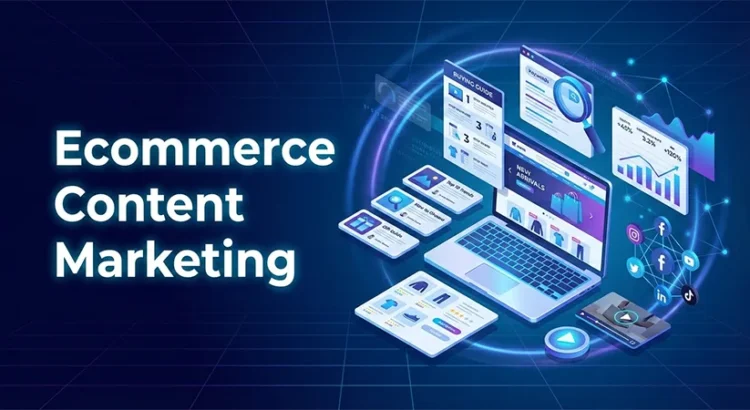
Ecommerce content marketing is one of the most reliable ways online stores can generate consistent, high-quality organic traffic without depending entirely on paid ads.
For ecommerce businesses, organic traffic matters because it compounds over time, reduces customer acquisition costs, and attracts shoppers who are actively searching for products or solutions. Instead of interrupting users with promotions, content marketing positions your brand as a helpful resource, building trust and long-term authority.
Experienced digital marketing experts emphasize that sustainable growth comes from owning search visibility rather than renting it through advertising platforms. In this article, you will learn practical strategies to strengthen your content ecosystem, improve rankings, attract targeted visitors, and turn that traffic into measurable revenue for your online store.
Ecommerce Content Marketing Strategies
A well-planned content strategy for ecommerce website ensures that every article, category page, and product description works toward increasing organic visibility and sales. The strategies below are structured to help you attract traffic at every stage of the buyer journey while strengthening your overall ecommerce content marketing strategy.
1. Build SEO-Optimized Buying Guides
Buying guides are powerful tools for capturing high-intent commercial keywords. These are the search queries customers use when they are actively researching before making a purchase, such as “best noise-cancelling headphones for travel” or “best running shoes for flat feet.”
Start by identifying keywords that indicate strong buying intent. Focus on phrases containing words like best, top, review, comparison, affordable, and for specific use cases. These terms usually signal that the user is close to making a decision.
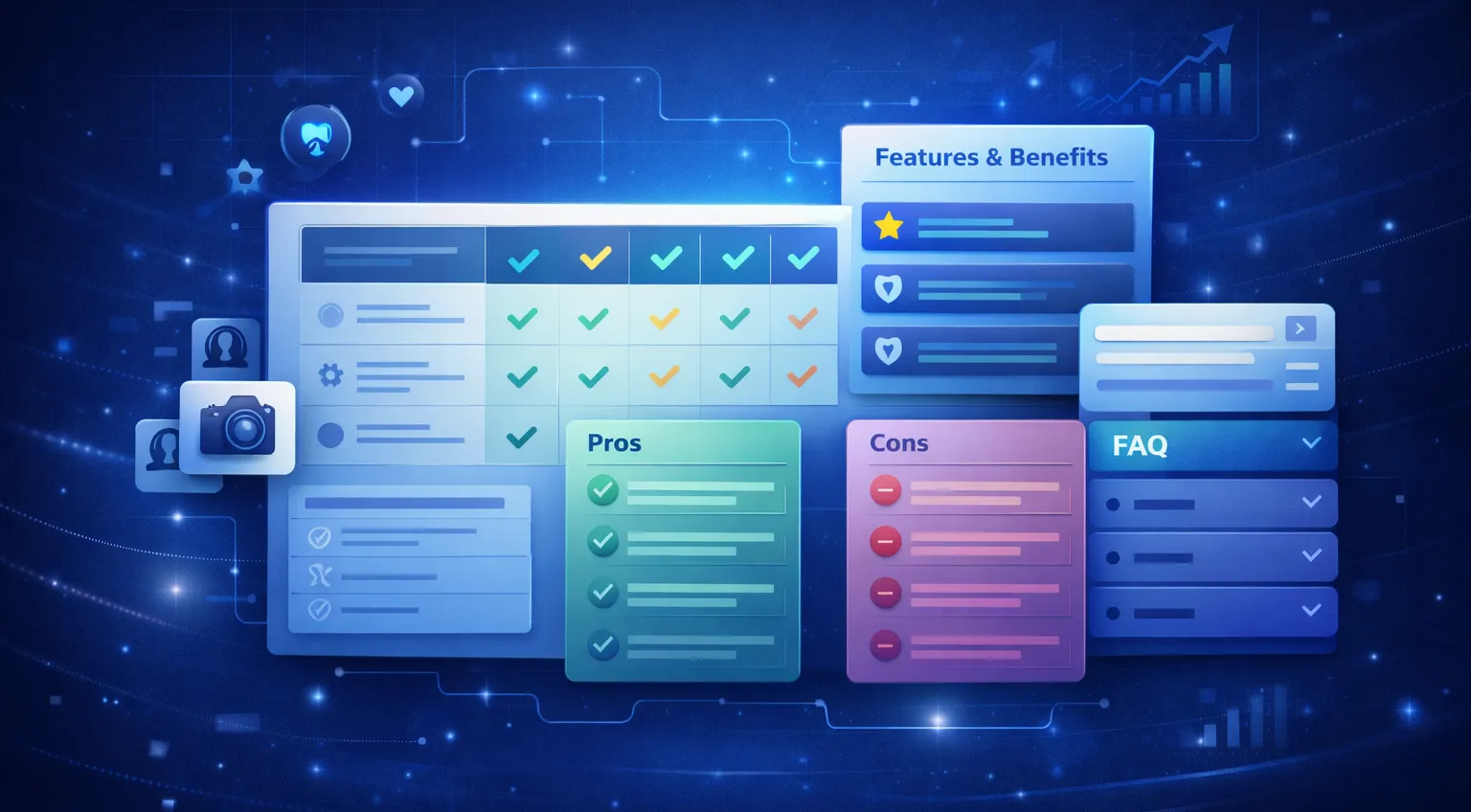
Structure your buying guides clearly:
- Introduction explaining who the guide is for
- Product comparison tables
- Detailed breakdown of features and benefits
- Pros and cons
- FAQs addressing common concerns
Adding FAQs is especially important because it helps capture long-tail search queries. These sections increase the chances of ranking for multiple variations and related questions.
Make the guide helpful rather than promotional. The goal is to build trust first. When users feel informed and confident, conversions follow naturally.
2. Create In-Depth Product Comparison Articles
Comparison articles like “Product A vs Product B” are extremely effective for bottom-of-funnel traffic. These searchers are already aware of their options and are trying to make a final decision.
To create strong comparison content:
- Break down features side by side
- Discuss performance differences
- Highlight pricing structures
- Explain which product is best for different use cases
Include pros and cons lists for both options to maintain transparency. A neutral tone builds credibility and reduces bounce rates.
These types of articles align perfectly with an advanced ecommerce content marketing strategy because they attract users who are ready to purchase.
Optimize these pages for decision-stage keywords and include strong internal links to product pages. Make it easy for readers to take the next step.
3. Develop Keyword-Driven Blog Content
Informational blog content builds awareness and attracts top-of-funnel visitors. While these users may not be ready to buy immediately, they can become loyal customers over time.
Focus on search intent. Identify questions your target audience frequently asks. For example:
- “How to choose the right laptop for college”
- “What is the best skincare routine for oily skin”
- “How to store winter jackets properly”
Organize blog topics into clusters. A pillar page might target a broad topic, while supporting articles address specific subtopics. This structure strengthens your ecommerce content strategy by signaling topical authority to search engines.
Internal linking is critical here. Each blog article should naturally connect to relevant category and product pages. This improves crawlability and guides users deeper into your site.
4. Publish Evergreen How-To Content
Evergreen how-to articles remain relevant over time. They consistently attract traffic and provide long-term value.
Examples include:
- Tutorials related to product usage
- Step-by-step setup guides
- Maintenance instructions
- Problem-solving content
Use clear headings and structured steps. Add visuals such as images, screenshots, or diagrams to enhance clarity. Well-designed instructional content keeps users engaged longer, which positively impacts SEO metrics.
Address common customer challenges. When your ecommerce content solves real problems, it positions your brand as a helpful authority rather than just a seller.
Evergreen content also reduces customer support inquiries, saving operational time and costs.
5. Optimize Category Pages with Rich Content
Many ecommerce stores suffer from thin category pages that include little more than product listings. This limits organic visibility.
Enhance category pages with 300 to 500 words of helpful, informative content. Introduce the product category, explain its benefits, and guide users on how to choose the right option.
Incorporate semantic keywords and related phrases naturally. Avoid keyword stuffing. Instead, focus on clarity and usefulness.
Add FAQs within category pages to address common queries. This increases your chances of ranking for long-tail searches and featured snippets.
A strong content strategy for ecommerce website includes optimizing these high-commercial-intent pages because they often convert better than blog posts.
6. Leverage User-Generated Content
User-generated content builds authenticity and trust. Reviews, testimonials, and real-life photos create social proof that influences purchasing decisions.
Encourage customers to:
- Leave detailed reviews
- Upload product photos
- Share short video testimonials
- Post about purchases on social media
Feature this content prominently on product pages. Real-world usage examples help potential buyers visualize the product in action.
From an SEO perspective, user reviews add fresh content regularly. This dynamic text often includes natural keyword variations that strengthen relevance signals.
Incorporating user-generated content strengthens both credibility and search performance.

7. Create Video Content for Search Visibility
Video content increases engagement and expands your reach beyond traditional search results.
Types of videos to produce:
- Product demonstrations
- Explainer videos
- Setup tutorials
- Comparison breakdowns
Upload videos to YouTube and optimize titles and descriptions with relevant keywords. Include detailed descriptions and timestamps.
Embed videos within blog posts and product pages. This improves on-page engagement metrics such as time-on-site and reduces bounce rates.
Search engines increasingly prioritize multimedia content. Integrating video into your ecommerce content marketing approach enhances discoverability across multiple platforms.
8. Target Long-Tail Keywords with Blog Clusters
Long-tail keywords typically have lower competition but higher intent. These phrases often convert better because they reflect specific needs.
Research low-competition terms using SEO tools. Examples include:
- “best budget wireless headphones for small ears”
- “eco-friendly yoga mats for beginners”
Create multiple supporting articles around a broader topic. Link them together strategically to build topical authority.
Over time, this cluster approach strengthens your domain’s expertise in a niche. A well-executed ecommerce content strategy leverages long-tail targeting to gain faster rankings while building momentum for more competitive terms.
9. Build Seasonal and Trend-Based Content
Seasonal and trend-driven content can generate traffic spikes during peak demand periods.
Examples include:
- Holiday buying guides
- Back-to-school product lists
- Black Friday roundups
- Industry trend predictions
Publish these articles well in advance of peak season to allow time for indexing and ranking.
Update seasonal content annually. Refresh statistics, product listings, and keywords to maintain relevance. Freshness signals help sustain rankings year after year.
Combining evergreen and seasonal content ensures steady traffic with periodic boosts.
10. Use Content to Capture Zero-Click Searches
Zero-click searches occur when users find answers directly in search results. While these do not always generate clicks, they increase brand visibility.
Optimize for featured snippets by:
- Providing concise definitions
- Using numbered lists
- Including bullet points
- Structuring content clearly
Add structured FAQs using schema markup. Answer common questions in short, direct sentences.
Clear formatting increases your chances of appearing in snippet boxes. Even if users do not click immediately, brand recognition improves and can influence future searches.
11. Repurpose High-Performing Content
Repurposing content maximizes return on effort.
Turn successful blog posts into:
- Infographics
- Downloadable checklists
- Email sequences
- Social media carousels
- Video scripts
Update outdated posts with new data, additional sections, and improved optimization. Expanding existing content often yields faster results than publishing entirely new pages.
An effective ecommerce content marketing strategy continuously audits performance and reallocates effort toward proven winners.
12. Implement Strategic Internal Linking
Internal linking strengthens site structure and authority distribution.
Best practices include:
- Linking blog posts to relevant product pages
- Using descriptive anchor text
- Connecting related articles within clusters
- Prioritizing high-converting pages
Avoid generic anchors like “click here.” Instead, use descriptive phrases that indicate the destination topic.
Strong internal linking improves crawlability, reduces orphan pages, and helps search engines understand site hierarchy. It also guides users logically through their buying journey.

Conclusion of Ecommerce Content Marketing Strategies
Driving consistent organic traffic requires more than publishing random blog posts. It demands a structured approach that integrates buying guides, comparison content, optimized category pages, evergreen tutorials, and strategic internal linking. Leveraging user-generated content, video marketing, long-tail targeting, and seasonal updates further strengthens visibility.
The key is consistency. Results compound when you publish regularly, update older content, and monitor keyword performance. Track metrics such as organic traffic growth, rankings, conversion rates, and engagement data to refine your approach.
When implemented strategically, ecommerce content marketing becomes a long-term asset that lowers acquisition costs, builds authority, and drives sustainable revenue growth. Start applying these strategies methodically, measure performance carefully, and continuously optimize your ecommerce content to achieve lasting success.