

Shopify for B2B is transforming the way businesses approach online sales. As digital transformation accelerates in 2026, more companies are shifting from traditional B2B sales methods to e-commerce platforms that provide efficiency, scalability, and data-driven insights.
For businesses looking to expand their reach and optimize revenue, platforms like Shopify offer a robust solution for managing wholesale operations and complex client needs. For a detailed step-by-step guide, check out Shopify Store Setup: The Ultimate Guide for Business Owners to get your B2B store up and running quickly.
One of the most significant advantages of Shopify for B2B is its versatility. Whether you’re a small manufacturer selling to regional retailers or a large distributor serving enterprise clients, Shopify can adapt to your business model. In addition to its intuitive interface, Shopify offers integrations with ERP systems, payment gateways, and marketing tools, making it easier for businesses to scale operations efficiently.
This article will explore the importance of Shopify for B2B, how to understand your business customers, and actionable strategies to boost revenue. From tiered pricing models to subscription solutions and automation tools, these insights will help you transform your Shopify B2B store into a revenue-generating engine.
The Importance of Shopify for B2B Businesses
In the competitive B2B landscape, having a robust e-commerce platform is essential for businesses that want to scale efficiently and serve their clients effectively. Professional Shopify development services are often the difference between a basic online store and a fully optimized B2B platform. Businesses need more than a storefront—they require tools for bulk ordering, client-specific pricing, flexible payment terms, and detailed analytics to manage operations seamlessly.
By leveraging Shopify B2B e-commerce capabilities, companies can:
- Streamline sales processes and reduce manual order management.
- Offer personalized pricing and exclusive product access to business clients.
- Integrate marketing and sales automation to improve client retention and engagement.
- Access advanced analytics to identify high-value clients and top-performing products.
Engaging professional Shopify development services ensures that your store is tailored to your specific B2B requirements. From customizing storefronts and integrating wholesale apps to implementing recurring orders and automated workflows, the right development strategy can maximize revenue, improve operational efficiency, and enhance client satisfaction.
Understanding Your B2B Customers
Identifying Business Buyers
Unlike B2C customers, B2B buyers have specific needs based on their industry, company size, and buying patterns. Segmenting your audience is essential to deliver the right offers and communications. For example, a mid-sized manufacturing company might prioritize bulk order discounts, while a retailer may focus on flexible delivery schedules.
Using Shopify’s customer tagging and segmentation tools, businesses can categorize buyers by:
- Industry type (e.g., manufacturing, retail, services)
- Company size and annual revenue
- Purchase history and order frequency
This segmentation allows for targeted marketing campaigns, personalized promotions, and a more efficient sales process.
Mapping the Buying Process
B2B buying cycles are longer and more complex than typical B2C transactions. Multiple stakeholders, including procurement managers, finance departments, and operational teams, may influence purchasing decisions. Understanding these dynamics allows your Shopify store to address buyer needs effectively.
Key steps to consider include:
- Providing detailed product information and specifications
- Offering quote requests or approval workflows for bulk orders
- Enabling account-based dashboards for each client to track orders
Mapping this process ensures that your Shopify B2B store aligns with how business buyers make decisions, improving conversion rates and client satisfaction.
Custom Pricing Needs
Pricing in B2B is rarely static. Businesses often require tiered pricing based on order volume, long-term contracts, or loyalty agreements. Shopify allows for dynamic pricing structures using native features or third-party apps.
Custom pricing strategies may include:
- Volume discounts for bulk orders
- Tiered pricing for different customer segments
- Promotional offers or early payment incentives
By meeting these custom pricing expectations, businesses can build stronger client relationships and encourage larger orders.
Proven Strategies to Boost B2B Revenue on Your Shopify Store
Below are effective strategies that can help maximize revenue on your B2B Shopify store.
1. Tiered and Volume Pricing
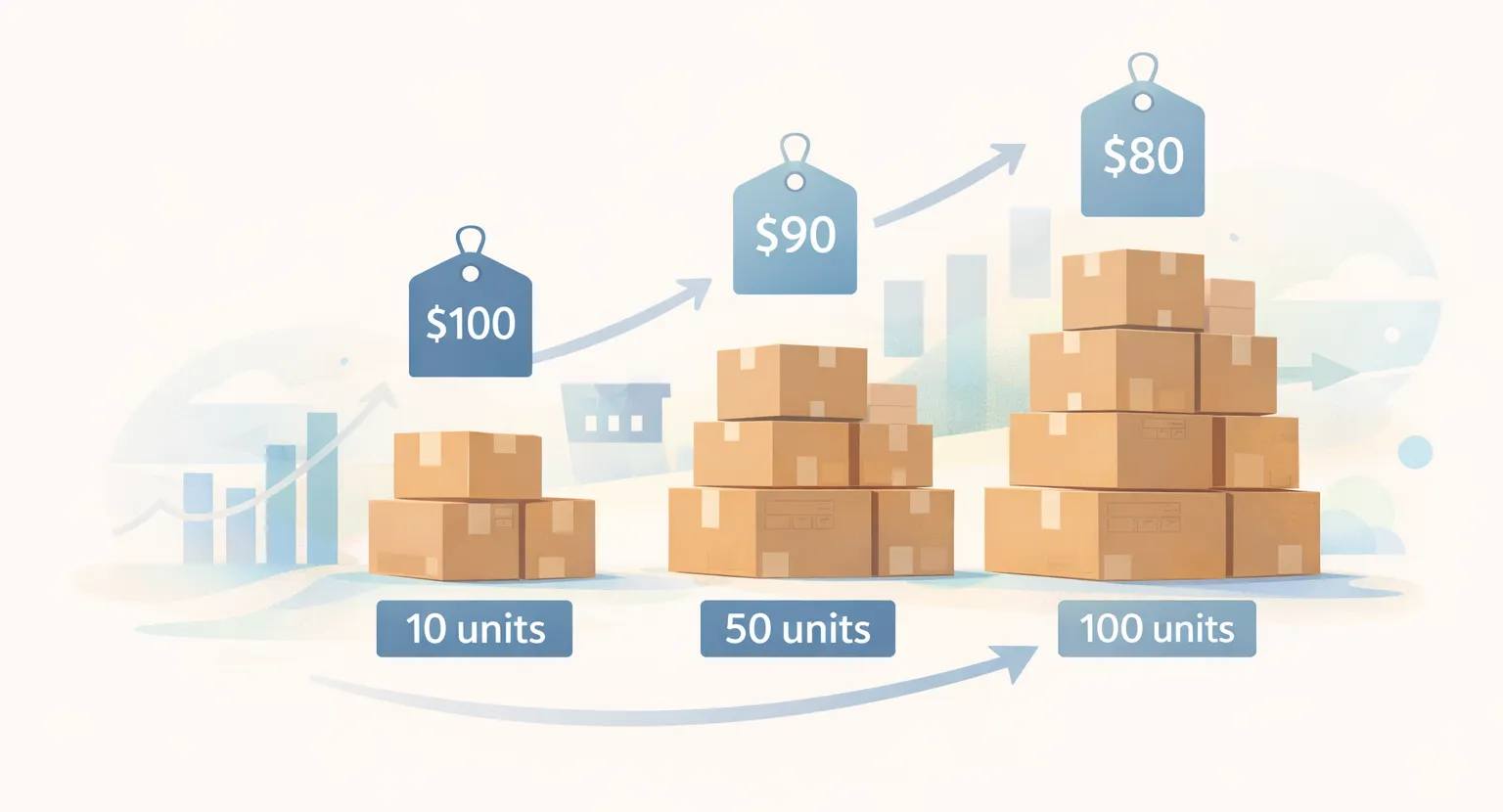
Tiered and volume pricing is essential for businesses selling in bulk. Shopify allows you to implement this using native features or specialized apps like Bold Custom Pricing or Wholesale Pricing Discount.
With tiered pricing:
- Discounts automatically apply based on order quantity
- Businesses are incentivized to purchase larger quantities
- Pricing transparency ensures smoother negotiations
This approach can significantly increase average order value while keeping clients satisfied.
2. Wholesale-Only Products
Certain products may only be relevant for B2B buyers or bulk orders. Shopify supports hidden collections or password-protected products, ensuring that only approved business accounts access wholesale offerings.
Benefits include:
- Displaying bulk SKUs and special bundles
- Preventing regular retail customers from seeing wholesale-only pricing
- Streamlining order management for specific B2B clients
Apps like Locksmith or Wholesale Club make it easy to restrict product visibility to selected buyers.
3. Personalized Offers
Personalization improves client retention and repeat purchases. Shopify’s customer tagging and apps like Klaviyo or Seguno allow businesses to tailor pricing, product recommendations, and promotions to individual clients.
Examples of personalized offers:
- Exclusive discounts for loyal customers
- Recommendations based on previous purchases
- Targeted promotions during peak ordering seasons
Such personalization increases engagement, strengthens relationships, and drives revenue growth.
4. Subscription and Recurring Orders
Many B2B products, particularly consumables, benefit from subscription models. Shopify offers subscription apps like Recharge and Bold Subscriptions, enabling clients to automate recurring orders.
Advantages of subscription and recurring orders include:
- Predictable revenue for your business
- Reduced manual ordering for clients
- Improved inventory planning and logistics
Recurring orders make your B2B Shopify store a reliable source for repeat business.
5. Streamlined Ordering Experience
Ease of ordering is critical for B2B clients. Features like saved carts, quick reorders, bulk CSV uploads, and client dashboards simplify repeat purchases.
Key features to implement:
- “Reorder Previous Purchase” buttons
- CSV bulk order upload for large SKUs
- Personalized account dashboards showing past orders and invoices
By reducing friction in the ordering process, businesses can boost sales frequency and client satisfaction.
6. Integrating Sales Tools
Integration with sales and business management tools enhances efficiency and revenue opportunities. Shopify supports connection with CRMs, ERP systems, and email automation platforms.
Benefits include:
- Automated follow-ups and lead nurturing
- Data-driven upsell and cross-sell opportunities
- Streamlined communication and account management
Popular integrations include HubSpot CRM, Salesforce, and NetSuite, helping B2B Shopify stores manage relationships and drive growth.
7. Flexible Payment and Checkout Options
B2B transactions often require more complex payment options than standard e-commerce purchases. Shopify allows businesses to offer:
- Net terms and invoice-based payments
- Purchase order support
- Multiple payment gateways (credit card, ACH, PayPal, Stripe)
Flexible payment solutions remove barriers to larger orders and build trust with business clients.
8. Optimizing Operations for Better Revenue
Operational efficiency directly impacts B2B revenue. Shopify provides tools to optimize inventory, shipping, and reporting.
Inventory Management
- Track stock levels across multiple warehouses
- Set alerts for low inventory
- Manage product variants efficiently
Shipping and Logistics
- Provide multiple shipping options for bulk orders
- Streamline delivery to multiple locations
- Offer real-time shipping estimates for clients
Analytics and Reporting
- Track high-performing products and clients
- Monitor sales trends and revenue growth
- Identify opportunities for upselling and cross-selling
Optimizing operations ensures that your Shopify B2B store runs smoothly and profitably.
9. Leveraging Shopify Apps for B2B Growth
Apps expand the functionality of your Shopify B2B store. Implementing the right tools can accelerate revenue growth and improve client experience.
B2B/Wholesale Apps
- B2B & Wholesale Solution by BSS Commerce: Offers customer-specific pricing, volume discounts, and hidden catalogs for business buyers.
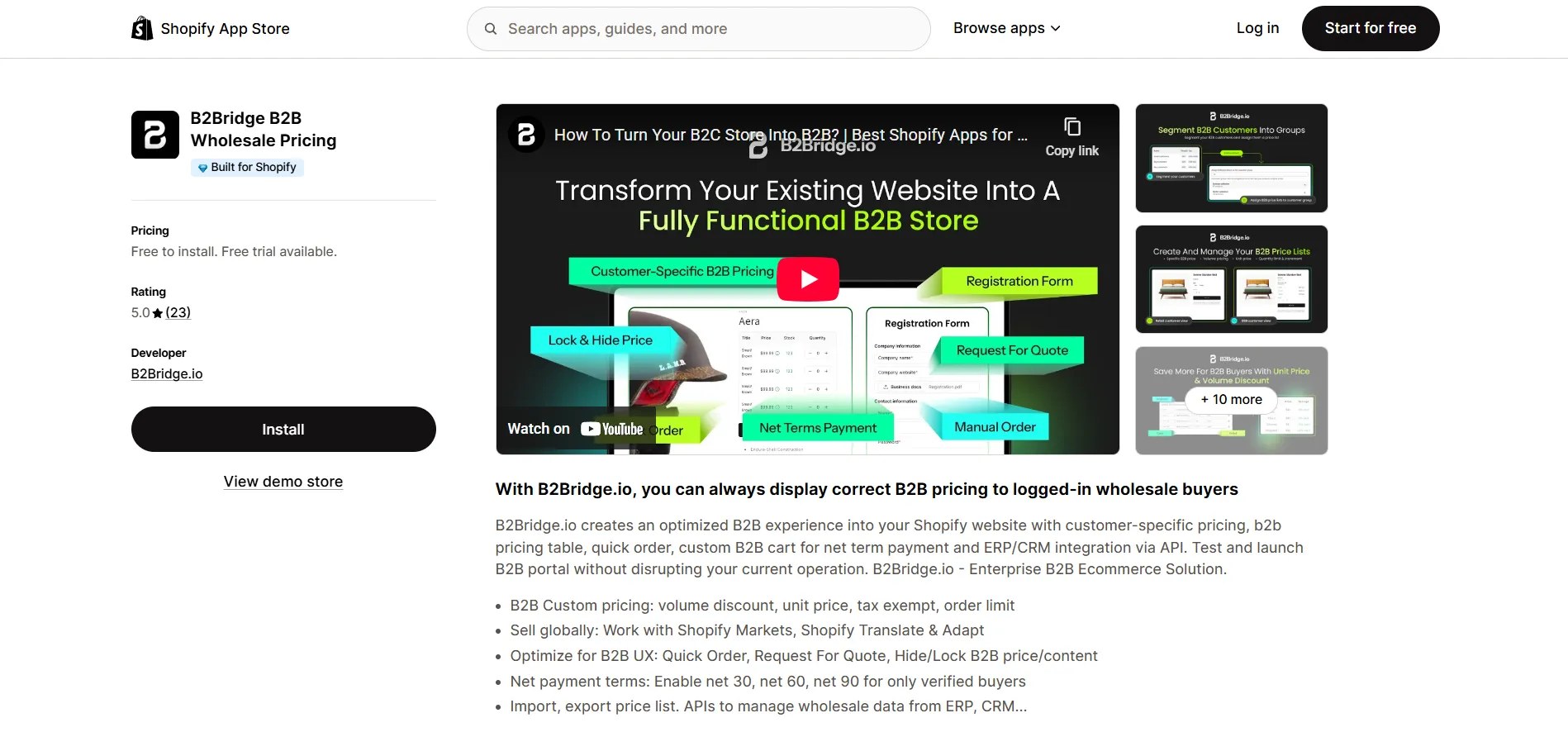
B2Bridge B2B Wholesale Pricing: Provides tiered pricing, net terms, and quick ordering for approved B2B accounts.
Automation Apps
- Order Automator: Sends invoices, follow-ups, and notifications automatically
- Klaviyo: Automates email campaigns based on customer behavior
ERP/CRM Integrations
- NetSuite: Syncs orders, inventory, and client data
- HubSpot: Manages leads, marketing, and customer communication
By leveraging these apps, businesses can scale operations, maintain client satisfaction, and increase overall revenue.
Businesses can refer to the resource for detailed steps to get started with Shopify for business owners. This guide provides actionable insights for launching and optimizing your Shopify B2B store efficiently.
Conclusion: Maximizing Revenue with Shopify for B2B
Shopify for B2B is more than just an e-commerce platform—it’s a revenue-generation engine for modern business sellers. By implementing strategies like tiered and volume pricing, personalized offers, streamlined ordering, and flexible payment options, businesses can maximize their Shopify B2B ecommerce potential. Leveraging apps and integrations further enhances operational efficiency and client experience.
Emerging trends such as AI-driven personalization, headless commerce, and multi-channel B2B sales are shaping the future of B2B Shopify stores. Companies that adopt these technologies early can stay ahead of competitors and deliver superior customer experiences.
The next step for businesses is to evaluate their current operations, define client needs, and begin implementing Shopify for B2B strategies today. With the right approach, Shopify B2B can significantly boost revenue, strengthen client relationships, and future-proof your business for years to come.