

PPC for ecommerce is one of the most effective ways online stores can drive highly targeted traffic and generate sales quickly. By using paid advertising platforms, ecommerce businesses can place their products in front of shoppers who are actively searching for specific items. Unlike organic strategies that may take time to deliver results, paid campaigns can bring visibility almost immediately.
To better understand how paid campaigns fit within broader digital growth tactics, it is useful to explore Ecommerce Marketing Strategies That Increase Sales and Conversions, which explains how various marketing channels work together to grow online stores. Paid advertising is often one of the most powerful components within those strategies.
For ecommerce brands operating in competitive markets, visibility is essential. Thousands of online stores compete for the same audience, and paid campaigns help businesses stand out in search results, social platforms, and marketplaces. This is where ecommerce PPC becomes valuable, allowing brands to target potential customers based on search intent, interests, and online behavior.
With the right approach, businesses can increase product visibility, attract ready-to-buy shoppers, and scale their sales efficiently. This guide explains the benefits of PPC advertising for online stores, the main platforms used for ecommerce PPC campaigns, and proven strategies that help brands improve their campaign performance and return on investment.
Why PPC Is Important for Ecommerce Businesses
Paid advertising offers several advantages for online retailers. The most important benefits are explained below.
1. Instant Traffic and Visibility
One of the biggest advantages of PPC for ecommerce is the ability to generate traffic immediately after launching campaigns. Ads can appear in search results, shopping listings, and social feeds within a short time, helping online stores gain quick exposure.
With the support of skilled PPC experts, campaigns can target high-intent searches, allowing businesses to attract relevant shoppers and increase product visibility rapidly.
2. Highly Targeted Advertising
Ecommerce advertisers can target audiences with exceptional precision. Platforms allow businesses to reach users based on search queries, location, interests, demographics, and browsing behavior. This means ads are shown to people who are more likely to be interested in specific products.
Through effective ecommerce PPC management, advertisers can focus budgets on high-intent audiences, ensuring marketing spend reaches potential buyers rather than general users.
3. Faster Sales Generation
Paid campaigns are particularly effective for driving immediate sales. When shoppers search for specific products, ads can appear at the top of search results, placing products directly in front of high-intent buyers.
This ability to reach shoppers during their purchase journey makes PPC for ecommerce an important tool for increasing conversions, promoting seasonal offers, and driving revenue during peak sales periods.
4. Strong Return on Ad Spend
When campaigns are properly optimized, paid advertising can generate a strong return on investment. Advertisers only pay when users click on their ads, which helps ensure marketing budgets are spent on engaged prospects.
With a well-planned ecommerce PPC strategy, businesses can continuously refine targeting, bids, and ad creatives to maximize return on ad spend while reducing unnecessary costs.
5. Better Brand Visibility
Even when users do not immediately click an ad, repeated exposure helps strengthen brand recognition. Appearing in search results, product listings, and social media feeds increases awareness of an ecommerce brand.
Over time, this consistent exposure helps build trust and familiarity among potential customers. Many shoppers return later to purchase from brands they previously noticed through ecommerce PPC campaigns.
6. Precise Performance Tracking
Another advantage of paid campaigns is the availability of detailed analytics. Advertisers can track impressions, clicks, conversions, and revenue generated from each campaign.
This data-driven approach allows businesses to measure campaign performance accurately. Many ecommerce brands rely on ecommerce PPC services to analyze this data and continuously refine campaigns to improve efficiency and results.
7. Scalable Marketing Strategy
Paid advertising campaigns can be scaled based on performance and business goals. If a campaign generates profitable sales, budgets can be increased to reach a larger audience.
This flexibility allows businesses to expand successful campaigns and reduce spending on underperforming ads. As a result, PPC for ecommerce becomes a scalable marketing approach that grows alongside the business.
8. Competitive Market Advantage
Online marketplaces and retail sectors are highly competitive. Businesses that invest in paid campaigns often gain an advantage by appearing prominently in search results and product listings.
Working with an experienced ecommerce PPC consultant can help businesses develop competitive campaigns that outperform rival stores and capture valuable search traffic from potential buyers.
Key Platforms Used for Ecommerce PPC
Online stores rely on several advertising platforms to run paid campaigns. The most widely used platforms are explained below.
Google Ads
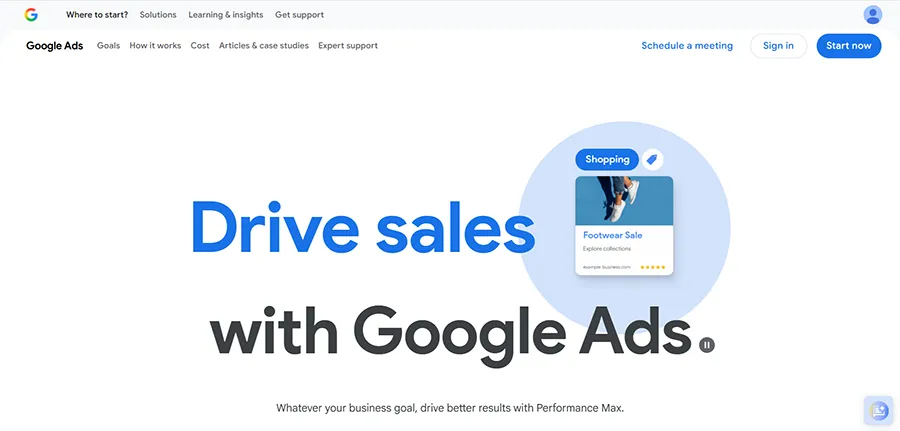
Google Ads is one of the most powerful platforms for ecommerce advertising. It allows businesses to display ads across search results, shopping listings, and the display network.
Search ads help capture users searching for specific products, while shopping campaigns display product images, prices, and store names directly in search results. Display ads expand brand visibility across websites and apps. For many retailers, Google Ads for ecommerce is a primary channel for driving qualified traffic and increasing product exposure.
Facebook Ads
Facebook provides advanced targeting capabilities that allow advertisers to reach users based on demographics, interests, and browsing behavior. This platform is particularly useful for promoting products to audiences who may not yet be actively searching.
Dynamic product ads automatically display items that users previously viewed, while retargeting campaigns bring back potential buyers who visited an online store but did not complete a purchase. These features make Facebook a valuable platform for ecommerce PPC campaigns.
Instagram Ads
Instagram focuses on visual content, making it ideal for promoting products with strong visual appeal. Advertisers can showcase products through images, videos, and shopping-focused formats designed to attract attention.
Brands often use Instagram ads to highlight product features, lifestyle imagery, and promotional offers. These visual campaigns help increase engagement and encourage shoppers to explore product pages within an online store.
Amazon Ads
Amazon advertising is particularly effective for businesses selling products within the Amazon marketplace. Sponsored product ads appear directly within search results and product pages, reaching shoppers who are already browsing for specific items.
Because Amazon users often have strong purchase intent, these ads can generate highly qualified traffic. Many brands use Amazon ads alongside other ecommerce PPC channels to maximize product visibility and sales opportunities.
Microsoft Advertising
Microsoft Advertising allows businesses to run search campaigns across the Bing search engine and its partner networks. Although the audience may be smaller than other platforms, it still provides valuable traffic opportunities.
For many advertisers, Microsoft campaigns serve as an additional channel that complements their primary advertising efforts. By expanding beyond a single platform, ecommerce brands can reach new audiences and capture additional search demand.
PPC Strategies for Ecommerce Success
Effective ecommerce PPC management requires a structured approach that focuses on targeting, optimization, and continuous improvement. The most important steps for building successful campaigns are explained below.
1. Conduct Thorough Keyword Research
Keyword research is the foundation of successful campaigns. Businesses must identify the search terms that potential buyers use when looking for products online.
Important areas to focus on include:
- Product-specific keywords that match individual items
- Long-tail phrases that indicate strong purchase intent
- Category keywords that target broader product searches
- Competitor-related keywords that capture alternative traffic
Selecting the right keywords ensures ads reach users who are more likely to convert.
2. Use Shopping Ads for Product Visibility
Shopping ads are particularly effective for online stores because they display product images, prices, and store details directly in search results.
Benefits of shopping campaigns include:
- Strong visual presentation of products
- Higher click-through rates for product searches
- Immediate access to product details
- Increased trust through transparent pricing
These ad formats help online stores stand out in search results and attract shoppers who are actively comparing products.
3. Optimize Product Feed Data
A well-structured product feed improves the performance of shopping campaigns. Accurate and detailed product information helps advertising platforms match listings with relevant search queries.

Key elements to optimize include:
- Product titles with relevant keywords
- Clear and informative product descriptions
- Accurate product categories
- High-quality images that highlight product features
Many businesses rely on professional ecommerce PPC services to manage product feeds and ensure listings remain optimized across advertising platforms.
4. Segment Campaigns by Product Category
Campaign segmentation helps advertisers maintain better control over budgets and performance tracking.
Examples of segmentation include:
- Product categories such as electronics or apparel
- Price ranges for premium or budget products
- Best-selling products versus new arrivals
- Seasonal product campaigns
By organizing campaigns effectively, advertisers can allocate budgets strategically and adjust bids based on performance.
5. Implement Remarketing Campaigns
Remarketing allows businesses to reconnect with users who previously visited their store. Many visitors browse products but leave before completing a purchase.
Remarketing campaigns can target these users through:
- Display ads reminding them of viewed products
- Dynamic product ads featuring items they explored
- Special offers or discounts encouraging return visits
- Ads promoting similar products they may like
These campaigns help bring potential buyers back to complete their purchase.
6. Use Smart Bidding Strategies
Automated bidding tools help advertisers optimize campaigns based on performance data. Platforms use machine learning to adjust bids and maximize results.
Common bidding approaches include:
- Target return on ad spend (ROAS)
- Maximize conversions
- Target cost per acquisition
- Enhanced cost-per-click strategies
These methods allow advertisers to improve efficiency while focusing budgets on the most valuable traffic.
7. Create Compelling Ad Copy and Visuals
Effective ad creatives attract attention and encourage users to click. Strong messaging highlights product benefits and motivates users to explore product pages.
Important elements include:
- Clear product value propositions
- Promotions such as discounts or free shipping
- Urgency through limited-time offers
- High-quality product visuals
Well-crafted ads improve engagement and increase the likelihood of conversions.
8. Optimize Landing Pages for Conversions
Driving traffic is only the first step. The product page must deliver a seamless experience that encourages purchases.
Important optimization elements include:
- Fast-loading pages
- Clear product images and descriptions
- Transparent pricing and shipping details
- Simple checkout processes
These improvements reduce friction and help convert visitors into customers.
9. Run A/B Tests on Ads and Campaigns
Testing different ad variations helps identify the most effective messaging and visuals.
Advertisers often test:
- Different headlines and descriptions
- Product images or videos
- Call-to-action phrases
- Promotional offers
Continuous experimentation ensures campaigns remain optimized and competitive.
10. Monitor Performance and Adjust Regularly
Campaign optimization requires ongoing monitoring. Advertisers must analyze key performance indicators to determine which strategies deliver the best results.
Important metrics include:
- Click-through rate
- Conversion rate
- Cost per acquisition
- Return on ad spend
Many businesses collaborate with an ecommerce PPC consultant to evaluate campaign performance and refine strategies based on data insights.
Understanding how paid campaigns fit within a broader marketing plan can help ecommerce businesses improve results. You can also explore ecommerce marketing strategies that increase sales to learn how different digital channels support online store growth and conversions.
Final Thoughts on PPC for Ecommerce
PPC for ecommerce helps online stores attract targeted customers and generate sales through strategic paid advertising campaigns. By using platforms like search engines, social media, and marketplace ads, ecommerce businesses can increase product visibility and reach shoppers with strong purchase intent.
Implementing a well-planned ecommerce PPC strategy, along with continuous testing and optimization, helps improve campaign performance. With consistent monitoring and data-driven adjustments, ecommerce brands can strengthen their advertising efforts and achieve sustainable growth through effective ecommerce PPC campaigns.