


Twitter for SEO is becoming an important consideration for businesses that want their content to reach wider audiences and support long-term organic visibility. Social platforms often influence how content spreads online, and understanding this connection helps marketers build stronger digital strategies.
Early in this discussion, it is helpful to explore how social signals relate to search performance through the article Social Media in SEO: How Social Engagement Influences Organic Visibility. This topic explains how engagement, sharing, and audience activity can indirectly strengthen search presence.
Today, the platform known as X (formerly Twitter) continues to act as a fast-moving content discovery channel where ideas, links, and updates circulate quickly. Businesses use it to introduce new content, amplify blog posts, and engage audiences that may later search for their brand or website.
While tweets themselves are short, their impact can be significant. Social sharing increases exposure, helps search engines discover new pages, and builds brand signals that influence how users interact with a business online. Over time, consistent activity on this platform can drive organic traffic growth by encouraging indexing, improving visibility, and expanding audience reach.
Why Twitter Matters for Organic Traffic
Many businesses focus on traditional search optimization but overlook how social platforms contribute to the discovery of their content. When used correctly, Twitter SEO helps distribute content rapidly, which is valuable for both new and existing websites.
One of the key advantages is speed. A tweet containing a blog post link can immediately reach followers and be shared further by others. This distribution increases the chances of people visiting the content, discussing it, and linking to it from their own websites or blogs. Backlinks often develop naturally when useful content is widely shared, and social platforms can play a role in initiating that process.
Another important factor is brand search growth. When people repeatedly encounter useful insights or resources from a business on Twitter, they are more likely to remember the brand and search for it directly later. Increased brand searches send strong signals to search engines that users recognize and trust the brand.
Twitter also supports content indexing. Search engines frequently crawl public tweets and links, which can help newly published pages get discovered faster. Although tweets alone do not guarantee higher rankings, they contribute to a broader digital presence that supports overall SEO performance.
Additionally, Twitter allows businesses to build communities around specific topics. When audiences interact regularly with posts related to a niche, it strengthens topical authority. This helps position the brand as a trusted source of information, encouraging further engagement, mentions, and sharing across the web.
Twitter SEO Strategies
Twitter SEO best practices help businesses improve discoverability, reach the right audience, and strengthen their content promotion efforts. The steps are given below and each strategy plays a role in building a well-balanced presence that supports long term search visibility.
1. Optimize Your Profile for Keywords
Your profile is one of the strongest signals that explains what your account is about. When people search for specific topics or industries, profiles with relevant keywords and clear descriptions are more likely to appear in results. A well-optimized profile also helps new visitors quickly understand your expertise and the type of content you share. To optimize your profile effectively, the following elements should be considered.
- Display Name Optimization: The display name is searchable and plays an important role in discoverability. Including a relevant keyword or niche descriptor in the display name helps clarify your focus area. This allows users to immediately understand the subject matter you specialize in.
- Bio Keyword Placement: Your bio should describe your content, expertise, or services in a natural and informative way. Adding relevant keywords within the bio improves contextual relevance while maintaining readability. A well-written bio also increases the chances that users will follow your account.
- Profile Branding Signals: Consistent visuals and messaging reinforce your topic authority. Using a relevant banner image, profile picture, and clear description helps both users and algorithms associate your profile with specific subjects.
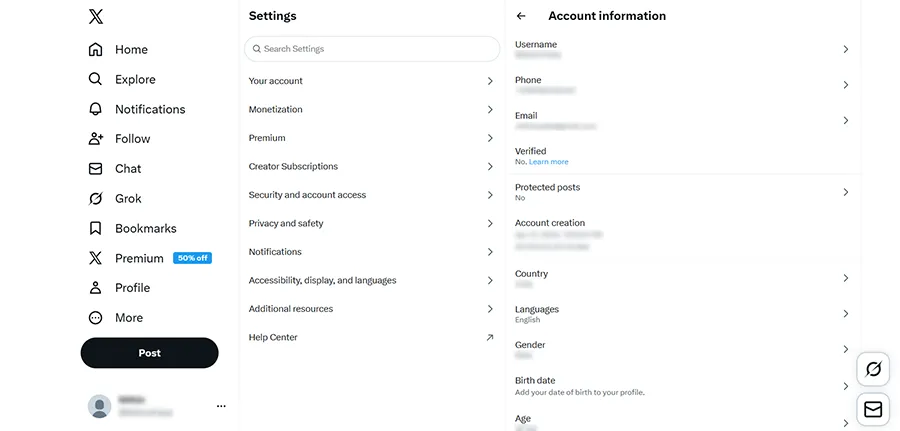
2. Use Targeted Keywords in Tweets
Tweets that include relevant search terms are easier for users to discover when they search for topics within the platform. Including keywords naturally in tweet text improves clarity and helps the algorithm categorize the content correctly. To implement this strategy effectively, several aspects should be considered.
- Natural Keyword Integration: Keywords should be placed naturally within the tweet instead of forcing them into the sentence. A tweet that reads clearly while still mentioning the topic performs better than one that feels overly optimized.
- Topic Focus in Each Tweet: Each tweet should highlight a clear subject or idea. When the topic is obvious, the platform can connect the content to related searches and discussions.
- Use of Related Search Terms: Instead of repeating the same phrase in every tweet, using variations and related terms helps expand discoverability. This approach allows your content to appear in multiple types of searches.
Businesses that regularly apply keyword-focused posting often see better reach and engagement over time. Brands that provide effective social media marketing services usually structure their tweets around clear topics, relevant search phrases, and audience intent.
3. Leverage Hashtags Strategically
Hashtags help categorize tweets and connect them to conversations happening across the platform. Using them strategically improves discoverability and allows content to reach users interested in specific topics. To apply hashtags effectively, the following elements are important.
- Relevant Industry Hashtags: Choose hashtags that match your niche or the subject of your tweet. These tags help place your content within discussions that your target audience is already following.
- Balanced Hashtag Usage: Using a small number of well-chosen hashtags often works better than adding too many. This keeps the tweet readable while still improving discoverability.
- Consistent Topic Tags: Using certain hashtags regularly can help associate your profile with particular themes. Over time, this consistency strengthens topic recognition.

4. Write Clear and Search-Friendly Tweet Copy
Clear communication improves both engagement and discoverability. Tweets that clearly describe their topic are easier for users and algorithms to understand. To create search-friendly tweet copy, the following factors should be considered.
- Clear Topic Explanation: Each tweet should briefly explain what the content is about. A clear description helps users decide whether the tweet is relevant to them.
- Value Driven Messaging: Tweets that highlight the benefit or insight being shared tend to attract more interaction. When users understand what they will gain from the content, they are more likely to engage.
- Readable and Structured Writing: Well-structured sentences improve clarity and make tweets easier to scan. Simple and direct language often performs better in search and engagement.
5. Optimize Tweet Timing for Engagement
Posting at the right time increases the likelihood that your tweet will receive early engagement. Early interactions often influence how widely a tweet is distributed across timelines and recommendations. To optimize timing effectively, the following elements should be analyzed.
- Audience Activity Patterns: Understanding when your followers are most active helps determine the best posting times. Reviewing previous engagement data can reveal these patterns.
- Consistent Posting Schedule: Posting regularly at similar times helps audiences anticipate your content. This consistency can improve engagement over time.
- Testing Different Time Slots: Experimenting with different posting times allows you to identify which periods generate the most interaction and visibility.
6. Create Consistent Niche Content
Consistency in content themes helps build authority and recognition. When a profile regularly discusses certain topics, both users and algorithms begin to associate it with those subjects. To create consistent niche content, the following elements should be considered.
- Defined Content Topics: Identify a few main topics that align with your expertise or industry. Focusing on these themes helps build a recognizable presence.
- Regular Publishing of Related Content: Posting frequently about similar subjects reinforces your topical relevance. This helps strengthen your reputation as a knowledgeable source.
- Audience Expectation Building: When followers know what type of content to expect, they are more likely to engage regularly with your tweets.
7. Encourage Engagement (Replies, Likes, Reposts)
Engagement signals play an important role in increasing visibility. Tweets that receive interactions often reach wider audiences through recommendations and conversations. To encourage engagement effectively, the following approaches should be considered.
- Conversation Focused Tweets: Tweets that ask questions or invite opinions often generate more replies. These interactions increase the lifespan of the tweet.
- Insight Driven Content: Sharing useful information or perspectives encourages users to like or repost the tweet.
- Active Response to Replies: Responding to comments helps keep discussions active and signals that your account is engaged with the community.
8. Use Alt Text for Images
Alt text improves accessibility and helps describe the content of images included in tweets. Adding descriptive alt text also provides contextual signals about the visual content. To implement this properly, the following aspects should be considered.
- Descriptive Image Explanation: Alt text should clearly describe what appears in the image. This ensures users understand the visual content even if they cannot see it.
- Connection to Tweet Topic: The description should relate to the subject of the tweet. This strengthens contextual relevance.
- Consistent Accessibility Practices: Regularly adding alt text improves overall content quality and ensures accessibility for a wider audience.
9. Pin High-Performing or Keyword-Rich Tweets
Pinned tweets remain visible at the top of your profile, making them one of the most important pieces of content on your page. Choosing the right tweet to pin can strengthen your profile’s message. To use this feature effectively, the following factors should be considered.
- Highlighting Valuable Content: Pin a tweet that provides useful information or introduces your expertise. This helps visitors quickly understand your profile.
- Including Relevant Keywords: Pinned tweets that clearly describe your focus area reinforce your profile’s topic signals.
- Updating Pinned Content Periodically: Refreshing pinned tweets ensures that the most relevant and successful content remains visible.
10. Build Threads Around Searchable Topics
Threads allow deeper explanations and provide more context than a single tweet. They are effective for educational or informative content that requires multiple points. To create effective threads, the following elements should be included.
- Clear Opening Tweet: The first tweet should explain what the thread will cover. This encourages users to continue reading.
- Structured Topic Breakdown: Each tweet in the thread should focus on a specific point related to the overall subject.
- Encouraging Continued Reading: Well-organized threads keep users engaged longer, which increases visibility and interaction.
11. Include Relevant Links to Authority Content
Sharing links to valuable resources strengthens credibility and provides additional information for your audience. This approach also supports traffic growth to important pages. To implement this strategy effectively, consider the following elements.
- Linking to Useful Resources: Choose content that genuinely helps readers understand the topic better. This increases trust and engagement.
- Providing Context for the Link: Explain why the linked content is valuable so users know what to expect.
- Maintaining Topical Relevance: Links should align with the subject of the tweet to strengthen overall content relevance.
12. Optimize Video and Media Posts
Media posts often attract more attention and engagement compared to text only updates. Videos, images, and visual content help communicate ideas more effectively. To optimize media posts, the following elements should be considered.
- Descriptive Captions: Captions should explain what the media content shows and why it is useful.
- Keyword Integration in Descriptions: Including relevant terms naturally within captions helps improve discoverability.
- High Quality and Relevant Visuals: Media should support the topic of the tweet and provide value to the audience.
13. Participate in Trending Conversations
Trending topics create opportunities to reach audiences beyond your existing followers. Participating in these discussions can increase exposure and visibility. To engage with trends effectively, the following aspects should be considered.
- Relevance to Your Niche: Join conversations that relate to your expertise or industry. This ensures your contribution adds value.
- Providing Insightful Contributions: Sharing thoughtful opinions or helpful information improves engagement.
- Maintaining Authentic Participation: Authentic engagement builds credibility and attracts users interested in your content.
14. Use Consistent Branding and Topic Signals
Consistency across your profile and content helps build recognition. When users repeatedly see similar themes and messaging, they begin to associate your account with specific topics. To strengthen branding signals, the following elements should be considered.
- Consistent Visual Identity: Using similar design styles, colors, and imagery reinforces brand recognition.
- Unified Content Themes: Posting about related topics strengthens your profile’s authority within a niche.
- Clear Messaging Style: Maintaining a consistent tone helps audiences identify your content easily.
15. Monitor Analytics and Improve Content Strategy
Analyzing performance data is essential for refining your approach and improving results. Metrics provide insights into how your tweets perform and what resonates with your audience. To improve your strategy effectively, the following elements should be reviewed.
- Engagement Metrics Analysis: Review impressions, replies, likes, and reposts to understand what type of content performs best.
- Keyword Performance Insights: Analyzing which topics generate the most visibility helps refine future content.
- Continuous Strategy Improvement: Using analytics insights allows you to adjust your approach and improve long-term performance.
Twitter SEO Tools
Using the right Twitter SEO tool can simplify analysis, scheduling, and keyword research. Several tools help businesses improve their content strategy and track performance effectively.
Some widely used tools include:
1. X Analytics
X Analytics is the built-in analytics feature of the platform that helps track impressions, engagement metrics, and audience activity to improve tweet performance.

2. Hootsuite
Hootsuite is a comprehensive social media management platform that allows users to schedule tweets, monitor engagement, and analyze performance trends across multiple social media accounts.
3. Sprout Social
Sprout Social is a social media management platform that provides detailed analytics, engagement tracking, and audience insights to help improve content strategy.
4. Buffer
Buffer is a scheduling and publishing tool that helps maintain consistent posting and measure how tweets perform over time.
5. Followerwonk
Followerwonk is an analytics tool that focuses on follower analysis, audience discovery, and improving targeting strategies on Twitter.
These tools help businesses understand what type of content performs best and how to optimize their presence more effectively.
For a deeper understanding of how social engagement, shares, and online interactions contribute to improving organic visibility in search engines, you can also explore how social media activity supports SEO performance and search rankings.
Conclusion of Twitter for SEO
Building a strong presence on social platforms requires more than occasional posting. A structured strategy that focuses on optimization, consistent content, and audience engagement can significantly improve content distribution and online visibility.
When businesses apply these strategies effectively, they create more opportunities for their content to be discovered, shared, and referenced across the web. This process gradually strengthens brand recognition, encourages backlinks, and supports broader digital marketing goals.
Ultimately, Twitter for SEO works best when it is integrated with a larger content strategy that prioritizes valuable insights, community interaction, and consistent messaging. Over time, these efforts contribute to stronger organic traffic growth and a more visible online presence.