

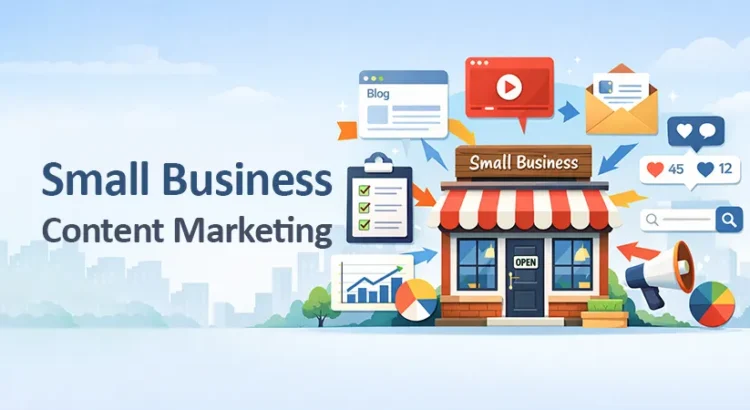
Small business content marketing is no longer just an optional side project; it is the engine that powers modern customer acquisition and brand loyalty. For entrepreneurs looking to establish a digital footprint, understanding Digital Marketing for Small Business: A Complete Guide to Online Growth is the first step toward sustainable success. In an era where consumers are bombarded with advertisements, providing genuine value through education and entertainment is the only way to cut through the noise.
Content marketing for small businesses allows smaller players to compete on a level playing field with industry giants. While big corporations have massive advertising budgets, small businesses have the advantage of agility and personability.
By creating a structured small business content strategy, you can transform your brand from a nameless entity into a trusted authority in your niche. This guide explores the foundational steps, tactical execution, and creative mindsets required to drive visibility and conversions through high-impact content.
Content Marketing Strategies for Small Businesses
Implementing effective content marketing tips for small businesses requires a blend of discipline and creativity. If you want to see a measurable return on investment, the following tips provide a comprehensive roadmap for building a content engine that actually works.
1. Work on Your Foundations Before Rushing into Content Creation
A common pitfall for many businesses is the content-first trap. I have witnessed numerous founders pour hours into videos or blog posts, only to realize their website is not equipped to handle the traffic. Content is a magnet, but if the destination is broken, the magnet is useless.
- Optimize Your Website: Speed and structure are paramount. If a potential customer clicks your link and the page takes five seconds to load, they will leave the site. Ensure your site is mobile-friendly and has dedicated landing pages for your core products or services.
- Strong Copy and Design: Your content needs to look and feel like your brand. Inconsistent branding, where a professional social post leads to a messy website, will erode trust. Your visual identity and brand voice must be cohesive across all touchpoints.
- Reliable Analytics: You cannot improve what you do not measure. Before launching a campaign, ensure you have tools like Google Analytics or Search Console set up to track user behavior, bounce rates, and conversion paths.
- Clear Conversion Strategies: Every piece of content should have a next step. Whether it is signing up for a newsletter, downloading a lead magnet, or clicking a buy button, your calls to action must be prominent and logical.

2. Document Your Small Business Content Strategy
Success in the digital space is rarely accidental. A scattergun approach, where you post a random video one day and a long article three weeks later, usually leads to burnout and zero results. Documentation is the bridge between doing things and getting results. Statistics show that roughly 80% of the most successful marketers have a documented plan, whereas over half of the unsuccessful ones are guessing.
- Know Your Audience: Move beyond basic demographics. Identify their specific pain points, the questions they ask late at night, and the specific language they use to describe their problems.
- Set Goals and Metrics: Define what success looks like. This might be 500 new email subscribers or a 10% increase in organic search traffic. Establishing Key Performance Indicators keeps your team accountable.
- Choose Content Topics: Identify three to five content pillars or themes that your brand can own. This prevents your feed from looking cluttered and helps search engines understand your expertise.
- Plan Distribution: Decide where your energy is best spent. If your audience is business-focused, professional networks might be your focus. If you sell handmade products, visual platforms are likely your primary channels.
By documenting your content plan, you can keep your efforts focused on your goals, save time, and achieve better results, a methodology consistently suggested by reputed digital marketing experts to ensure long-term sustainability.
3. Create a Culture of Storytelling in Your Content Marketing Strategy
One of the most powerful small business content strategy shifts you can make is moving from selling to storytelling. Larger brands often have to filter their stories through legal teams and PR departments, which can strip away the personality. Small businesses can be raw, authentic, and transparent.
Storytelling allows you to share the purpose behind your business. Share the story of the late nights spent perfecting your first prototype, or the mission that drives you to donate a portion of your profits to local charities. When customers understand your background and passions, they are not just buying a product; they are supporting a journey. This emotional connection creates brand fans who are much more loyal than those who find you through a generic price-matching ad.
4. Develop a Customer-Centric Approach to Your Content
It is tempting to create content about what you think is interesting. However, high-performing content is always about the customer. By focusing on the specific people you serve best, you become a specialist rather than a generalist.
- Identify Core Personas: You cannot be everything to everyone. Pinpoint the specific types of customers that provide the most value to your business. What are their unique obstacles?
- Go Deep on Niche Topics: Instead of writing a generic post about saving money, write a specific guide for a particular profession. The more specific you are, the less competition you have.
- Actionable Advice over Fluff: Small business owners often feel the need to sound academic to prove expertise. In reality, customers want clear and concise tips. If you can solve a problem in a few paragraphs rather than a long essay, do it.
- Stick to Your Niche: If you are an expert in organic gardening, do not start posting about unrelated trends. Stick to your area of authority to build long-term credibility.
5. Select Your Priority Content Formats
You do not have to be on every platform. In fact, for a small team, trying to master five different formats usually leads to mediocre content across all of them. It is much better to dominate one or two channels than to be invisible on ten. Consider your audience’s habits and which medium best delivers your message.
- Blog Posts: These are excellent for long-term organic growth and establishing authority. They attract users who use search engines to find step-by-step guidelines and deep insights into specific problems.
- Long Form Videos: Platforms like YouTube are ideal for visual learners. These allow you to demonstrate products in action or explain complex concepts that are easier to show than to describe in text.
- Social Media Shorts: Short videos on platforms like TikTok or Instagram are perfect for engaging an audience with quick, punchy content. These fit perfectly into the daily scrolling habits of modern consumers.
- Email Newsletters: This format is vital for nurturing existing relationships. It keeps potential customers in the loop and allows you to deliver value directly to their inbox without worrying about platform algorithms.
- Podcasts: Audio content helps establish a personal connection. It is a great way to reach people who prefer to consume information while they are multitasking, such as during their commute or at the gym.
- User Generated Content: Encouraging your customers to share their own experiences builds immense trust. Campaigns that showcase real people using your products act as powerful social proof that a traditional ad cannot replicate.

6. Organize Your Content Production Process
Efficiency is the secret weapon of successful small business content marketing. Without a process, content creation becomes a chore that gets pushed to the bottom of the list.
What Are My Needs, Budget, and Resources?
Start by determining your content capacity. If you can only realistically produce two high-quality pieces a month, do not commit to a daily schedule. Evaluate your current team’s skills. Perhaps your office manager is a secret photography expert, or your salesperson is a natural on camera. If you have the budget, consider outsourcing technical tasks like video editing or SEO research to freelancers.
Who Will Create My Content?
- In-house: This keeps costs low and ensures the brand voice is authentic. It is great for behind-the-scenes content.
- Outsourced: This is ideal for scaling. Freelancers or agencies can provide high-level expertise in areas like graphic design or technical writing that you might lack internally.
Which Content Marketing Tools Do I Need?
To keep the machine running, you will need a few essential tools:
- Canva: Use this for easy graphic design without needing a specialized degree.
- Grammarly: This tool ensures your writing is clear and professional.
- Asana: Use this for project management and tracking deadlines.
- Buffer: This allows you to schedule social media posts in advance, saving you from daily manual uploads.
7. Be Selective with Your Content Distribution Channels
Posting content on your website is only half the battle. You must ensure people actually see it. However, distribution should be targeted. Revisit your customer research to see where your ideal clients hang out.
If you are a software consultant, spending hours on visual hobby platforms is likely a waste of time. Conversely, if you run a wedding planning business, visual social networks are your bread and butter. Focus on the one or two channels where your most valued customers are making purchasing decisions. It is better to have a thriving community on one platform than ghost followers spread across five platforms.
8. Build Your Content Calendar
A content calendar is the roadmap that prevents panic. By mapping out your month in advance, you can ensure a healthy mix of topics and formats. Your calendar should include:
- Keywords: The specific terms you want to rank for in search.
- Format: Define if it is a video, a blog, or a carousel.
- Target Audience: Note if you are talking to a new lead or a long-term customer.
- Responsibility: Define who is writing, who is editing, and who is posting.
- Promotion: List where this will be shared once it is live.

9. Be Experimental and Avoid Creating Generic Content
In the age of AI, generic content is a commodity. If you publish a post with basic tips, you are competing with millions of other pages and automated tools. To stand out, you must add information gain, which is something new that the reader cannot find elsewhere.
- Be Bold: Do not be afraid to have an opinion. If everyone in your industry says one thing and you believe another, explain why. Respectful but different takes often drive the most engagement.
- Original Research: Even a simple poll of your best customers can provide data that no one else has. Sharing these unique insights makes you a primary source of information.
- Thought Leadership: Lean into the personal expertise of your team. Real world case studies and lessons learned from your business operations are far more valuable than a generic guide.
10. Diversify and Repurpose Content That Delivers Results
Repurposing is the ultimate hack for content marketing strategies for small businesses. You do not always need new ideas; you just need new ways to present your best ideas.
If a video performs exceptionally well, do not let it die there. Extract the audio for a podcast episode. Transcribe the key points into a detailed blog post. Turn the top tips from the video into a series of short social stories or a carousel post.
This ensures that your most valuable information reaches your audience regardless of which platform they prefer, all while minimizing the time spent on the creation phase.
Before finalizing your strategy, it is worth exploring the comprehensive guide for small business digital marketing to ensure your content reaches the right people at the right time.
Final Thoughts on Small Business Content Marketing
Successfully implementing small business content marketing strategies requires a blend of patience, creativity, and discipline. While the digital landscape is competitive, small businesses have the unique ability to act as trusted advisors to their communities rather than faceless corporations.
By focusing on a customer-centric approach, documenting your plan, and refusing to settle for generic content, you can build a brand that resonates deeply with your target audience. Remember that consistency is more important than intensity.
It is better to publish one high-quality piece of content per week than to publish five mediocre pieces in a single day and then disappear for a month. Start with a structured approach, focus on the platforms where your customers live, and gradually scale your efforts as you see what resonates.