

Effective digital marketing for small business has become a necessity rather than an option. Customers now search, compare, and make buying decisions online, which means small businesses must have a strong digital presence to stay relevant. Traditional marketing alone is no longer enough to generate consistent leads or build long-term brand visibility.
Digital channels allow small businesses to reach the right audience, at the right time, with the right message. By leveraging professional digital marketing services, small businesses can compete with larger brands without matching their budgets. A well-planned online marketing approach helps improve visibility, attract qualified traffic, build trust, and convert prospects into loyal customers.
From search engines and social media to email and paid advertising, digital marketing creates measurable growth opportunities. This guide explains the benefits, strategies, and tools that help small businesses achieve sustainable online growth and long-term success.
Benefits of Small Business Online Marketing
Online marketing for small business offers several advantages. The key benefits are explained below.
1. Increased Online Visibility
One of the biggest advantages of online marketing is improved visibility across digital platforms. When small businesses invest in digital channels such as search engines, social media, and content platforms, they become easier to find by potential customers.
A strong online presence ensures that your business appears when users search for related products or services. Increased visibility not only drives traffic but also builds brand awareness over time, helping small businesses stay competitive in crowded markets.
2. Cost-Effective Marketing
Online marketing is highly cost-effective compared to traditional advertising methods. Small businesses can start with limited budgets and scale campaigns based on performance.
Digital channels allow precise audience targeting, which reduces wasted spend and improves return on investment. Businesses can test different campaigns, pause underperforming efforts, and focus budgets on strategies that deliver results. This flexibility makes digital marketing accessible even for businesses with tight budgets.
3. Targeted Audience Reach
Digital marketing allows small businesses to reach specific audiences based on demographics, interests, location, and online behavior. Instead of promoting to a broad audience, businesses can focus on users who are more likely to be interested in their offerings.
This targeted approach improves lead quality and increases the chances of conversion. Reaching the right audience at the right time helps businesses use their marketing resources more efficiently.
4. Better Customer Engagement
Online marketing creates opportunities for direct interaction with customers. Through social media, email, and website engagement, businesses can communicate with their audience in real time.
Responding to comments, messages, and feedback helps build stronger relationships and trust. Better engagement also allows businesses to understand customer needs and preferences, which supports improved products, services, and marketing messages.
5. Measurable Results and Insights
Digital marketing gives small businesses access to clear, measurable performance data. Metrics such as website traffic, click-through rates, conversions, and user behavior can be tracked in real time.
These insights help businesses understand which strategies are delivering results and where improvements are needed. Data-driven analysis supports smarter decisions, continuous optimization, and more efficient use of marketing budgets.
6. Improved Brand Credibility
A strong and consistent digital presence helps small businesses build credibility and trust. Professional websites, high-quality content, and active engagement across digital platforms make brands appear reliable and authoritative.
Positive customer reviews, testimonials, and transparent communication further reinforce trust. Improved credibility influences buying decisions and encourages customers to choose your business over less-established competitors.
7. Higher Conversion Opportunities
Digital marketing creates multiple opportunities to turn visitors into leads or customers. Optimized landing pages, targeted campaigns, and personalized messaging guide users through each stage of the buying journey.
By addressing customer needs at the right time, small businesses can improve conversion rates, reduce drop-offs, and transform online interest into meaningful actions such as inquiries or sales.
8. Scalability and Flexible Growth
Digital marketing allows small businesses to scale efforts easily as the business grows. Campaigns can start small and expand based on performance, budget, and goals.
Businesses can test new channels, adjust strategies quickly, and increase reach without major upfront investment. This flexibility supports steady growth and helps small businesses adapt to changing market demands efficiently.
Digital Marketing Strategies for Small Business
There are multiple small business digital marketing strategies that can use to grow online. The most effective ones are listed below.
1. Search Engine Optimization
Search engine optimization is one of the most important digital marketing strategies for small business growth because it delivers long-term and sustainable visibility. SEO improves how a website appears in search results when customers search for related products or services. This includes optimizing site structure, page speed, mobile usability, and content relevance.
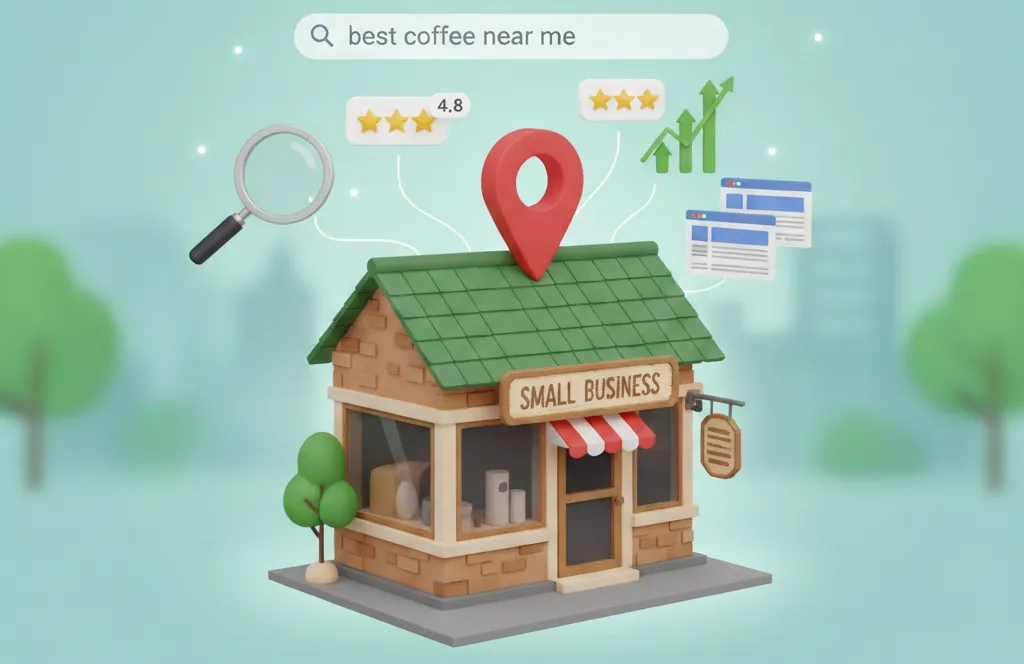
For small businesses, local SEO is especially critical. Optimizing Google Business Profile, local keywords, location pages, and customer reviews helps businesses appear in local search results and map listings. Local SEO allows small businesses to compete effectively with larger brands by capturing nearby, high-intent customers actively looking to buy.
For a deeper dive into practical SEO strategies, tools, and step-by-step guidance for small businesses, check out SEO for Small Business: A Complete Guide to Ranking and Growth.
2. Content Marketing
Content marketing involves creating valuable, informative, and relevant content that addresses customer questions and challenges. Instead of directly promoting products, content marketing focuses on educating the audience and building trust. Blogs, guides, case studies, and resource pages help position a business as an expert in its field.
For small businesses, content marketing supports multiple goals. It improves search visibility by targeting informational keywords, keeps visitors engaged on the website, and supports lead nurturing through email and social media. High-quality content also strengthens brand credibility and encourages repeat visits. When done consistently, content marketing becomes a long-term asset that continues to attract and convert users.
Explore more detailed approaches in Small Business Content Marketing: Strategies for Brand Growth.
3. Social Media Marketing
Social media marketing allows small businesses to connect with their audience on platforms where people spend a significant amount of time. Through regular posting, engagement, and community interaction, businesses can build strong brand recognition and customer relationships. Social media is not just a promotion channel but also a space for conversations, feedback, and customer support.
Small businesses benefit from social media by showcasing their brand personality, sharing updates, and highlighting customer experiences. Social platforms also help drive traffic to websites and landing pages. When combined with targeted advertising, social media marketing can significantly increase reach and engagement, making it a valuable part of a broader digital marketing strategy.
To explore this topic in more detail, read Social Media Marketing for Small Business: A Beginner’s Guide.
4. Video Marketing
Video marketing uses visual content to communicate messages more effectively than text alone. Videos can explain complex services, demonstrate products, and tell brand stories in an engaging format. Short videos, tutorials, testimonials, and behind-the-scenes content help build trust and capture attention quickly.
For small businesses, video marketing improves engagement across websites and social media platforms. Video content increases time spent on pages, supports conversion goals, and performs well in paid advertising campaigns. As video consumption continues to grow, integrating video into digital marketing efforts helps small businesses stay relevant and competitive.
5. Pay-Per-Click Advertising
Pay-per-click advertising allows small businesses to gain immediate visibility on search engines and social media platforms. Unlike organic strategies, PPC delivers quick results by placing ads in front of users actively searching for related solutions. Advertisers only pay when someone clicks on the ad, making it a performance-driven approach.
PPC is especially useful for promoting time-sensitive offers, new products, or competitive keywords. Small businesses can control budgets, target specific audiences, and track performance in real time. When managed correctly, pay-per-click advertising generates qualified leads and supports overall marketing growth.
6. Email Marketing
Email marketing remains one of the most effective channels for nurturing leads and retaining customers. It allows businesses to communicate directly with subscribers through personalized and relevant messages. Email campaigns can share updates, promotions, educational content, and reminders that keep the brand top of mind.
For small businesses, email marketing offers high return on investment and strong engagement when done strategically. Segmentation and automation help deliver the right message to the right audience at the right time. Over time, email builds long-term relationships and encourages repeat business.
7. Online Reputation Management
Online reputation management focuses on maintaining a positive brand image across digital platforms. Reviews, ratings, and customer feedback heavily influence purchasing decisions. Managing online reputation involves monitoring reviews, responding professionally, and addressing concerns promptly.
For small businesses, a strong online reputation builds trust and credibility. Positive reviews improve conversion rates and support search visibility. Actively managing feedback helps businesses protect their brand image and demonstrate commitment to customer satisfaction.
Small Business Digital Marketing Tools
This section explains the most popular digital marketing tools for small businesses that execute and manage online marketing effectively.
Google Analytics
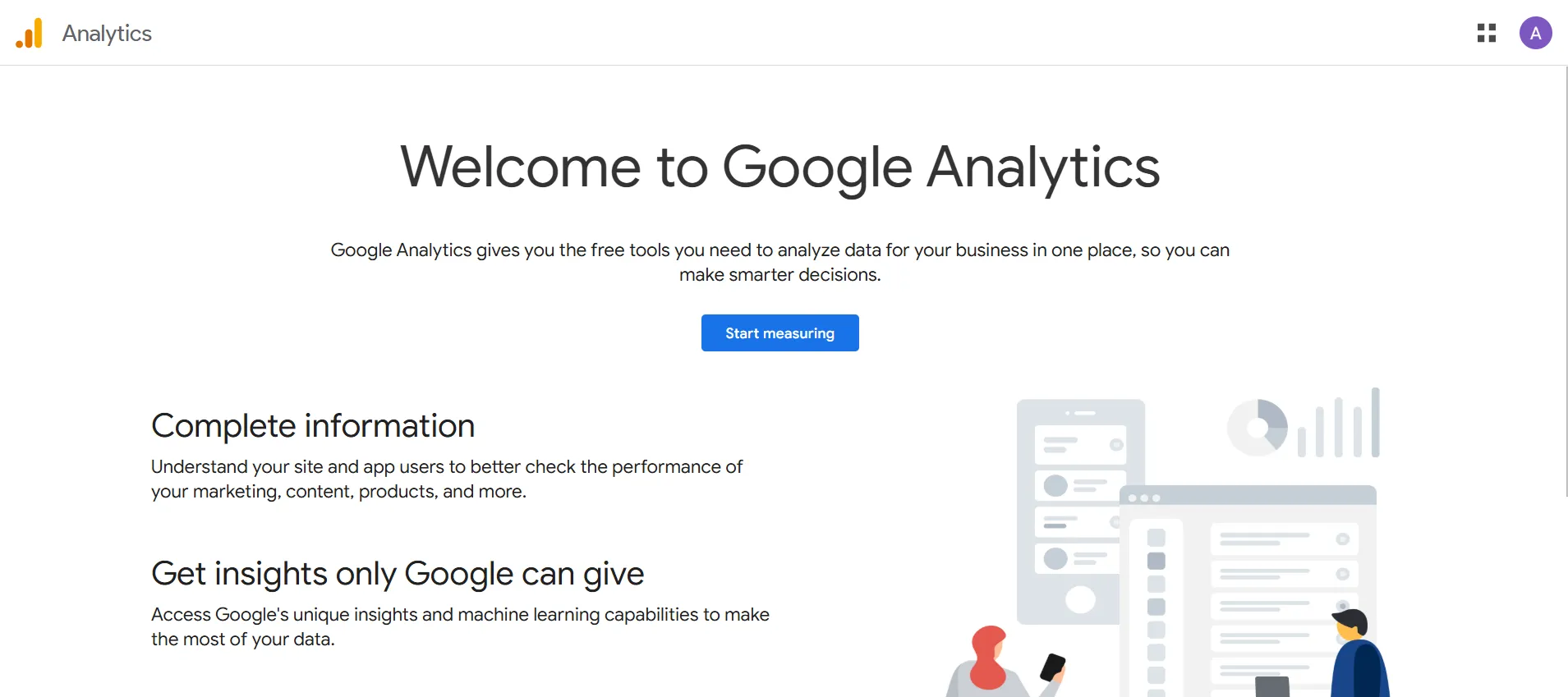
Google Analytics helps small businesses understand how users interact with their website. It tracks key metrics such as traffic sources, page views, user behavior, and conversions. By analyzing this data, businesses can identify which marketing channels perform best and where improvements are needed. Google Analytics supports data-driven decisions that improve website performance, user experience, and overall marketing effectiveness.
Google Search Console
Google Search Console allows businesses to monitor how their website appears in search results. It provides insights into keyword performance, indexing status, and technical issues that may affect visibility. Small businesses use this tool to identify crawl errors, optimize pages, and improve search rankings. Search Console plays a key role in maintaining website health and strengthening SEO performance.
Google Ads
Google Ads enables small businesses to run paid advertising campaigns across search, display, and video networks. It allows precise targeting based on keywords, location, and user intent. Businesses can control budgets, measure performance, and generate immediate traffic. Google Ads is especially useful for lead generation, promotions, and gaining visibility in competitive search results.
Meta Ads Manager
Meta Ads Manager is used to create and manage advertising campaigns on Facebook and Instagram. It allows businesses to target audiences based on demographics, interests, and behavior. With detailed performance tracking, businesses can optimize ads for engagement, traffic, or conversions. This tool is effective for increasing brand awareness and driving targeted traffic from social platforms.
Ahrefs
Ahrefs is a powerful SEO tool used for keyword research, backlink analysis, and competitor tracking. Small businesses use Ahrefs to identify ranking opportunities and analyze competitor strategies. It helps improve content planning and link-building efforts. By understanding search trends and backlink profiles, businesses can strengthen their organic visibility and search performance.
SEMrush
SEMrush supports SEO, content marketing, and paid advertising research. It provides insights into keyword rankings, competitor performance, and content gaps. Small businesses use SEMrush to refine strategies and identify growth opportunities across digital channels. The platform helps improve visibility, optimize campaigns, and track performance with actionable data.
Canva
Canva is a user-friendly design tool that helps small businesses create professional marketing visuals. It is commonly used for social media graphics, presentations, ads, and website visuals. With ready-made templates and easy customization, Canva allows businesses to maintain consistent branding without needing advanced design skills or expensive software.
Mailchimp
Mailchimp is a popular email marketing platform used to create, manage, and automate email campaigns. It helps small businesses communicate with subscribers through newsletters, promotions, and updates. Features like audience segmentation and performance tracking improve engagement. Mailchimp supports lead nurturing and customer retention through personalized email communication.
HubSpot
HubSpot offers a range of tools for customer relationship management, email marketing, automation, and analytics. Small businesses use HubSpot to manage leads, track customer interactions, and align marketing with sales efforts. Its integrated platform helps streamline processes, improve customer experience, and support long-term business growth.
Hootsuite
Hootsuite is a social media management tool that allows businesses to schedule posts, monitor engagement, and manage multiple platforms from one dashboard. It helps maintain consistency across social channels and saves time. Hootsuite also provides performance insights, enabling businesses to refine their social media strategies effectively.
Conclusion of Digital Marketing for Small Business
Digital success for small businesses depends on using the right mix of benefits, strategies, and tools. When businesses understand how digital channels work together, they can create consistent visibility, build trust, and generate qualified leads.
A structured approach that combines SEO, content, social media, paid advertising, and analytics delivers long-term value. By investing in the right tools and applying proven strategies, digital marketing for small business becomes a powerful driver of sustainable growth and competitiveness in the modern marketplace.