

Social media marketing trends in 2026 are reshaping the way brands connect with audiences, influence decisions, and drive engagement. In today’s fast-evolving digital landscape, marketers cannot rely on outdated tactics or repetitive posting strategies. Instead, understanding emerging trends and leveraging them strategically is critical for campaigns that are both relevant and effective. This evolution in social strategies closely aligns with broader changes in the digital ecosystem, as explored in Digital Marketing Trends: The Future of Online Promotion.
Following the correct trends helps brands optimize resources, maximize reach, and strengthen audience relationships while avoiding approaches that are no longer impactful. Engaging professional social media marketing services can provide businesses with the expertise and insights needed to navigate these complex shifts, ensuring campaigns are data-driven, audience-focused, and measurable.
By staying updated with social behaviors, platform innovations, and technological advancements, marketers can craft campaigns that build trust, drive conversions, and maintain long-term relevance. Ignoring these trends risks reduced engagement, wasted marketing spend, and a diminished presence in increasingly competitive social spaces.
Crucial Social Media Marketing Trends
The landscape of social media continues to evolve, bringing new tools, formats, and technologies that shape how audiences interact with brands. Understanding these social media trends in 2026 is essential for marketers who want to maintain a competitive edge and deliver campaigns that resonate. From AI-driven automation to immersive storytelling and personalized engagement, each trend offers unique opportunities to create meaningful interactions with audiences. Below are ten social media marketing trends defining the strategies of today’s most effective campaigns, explained in detail with insights on implementation and impact.
1. Social Search Optimization (SSO)
Social media platforms have increasingly replaced traditional search engines as the primary discovery tools for users. Optimizing content for search within these platforms is critical for brand visibility.
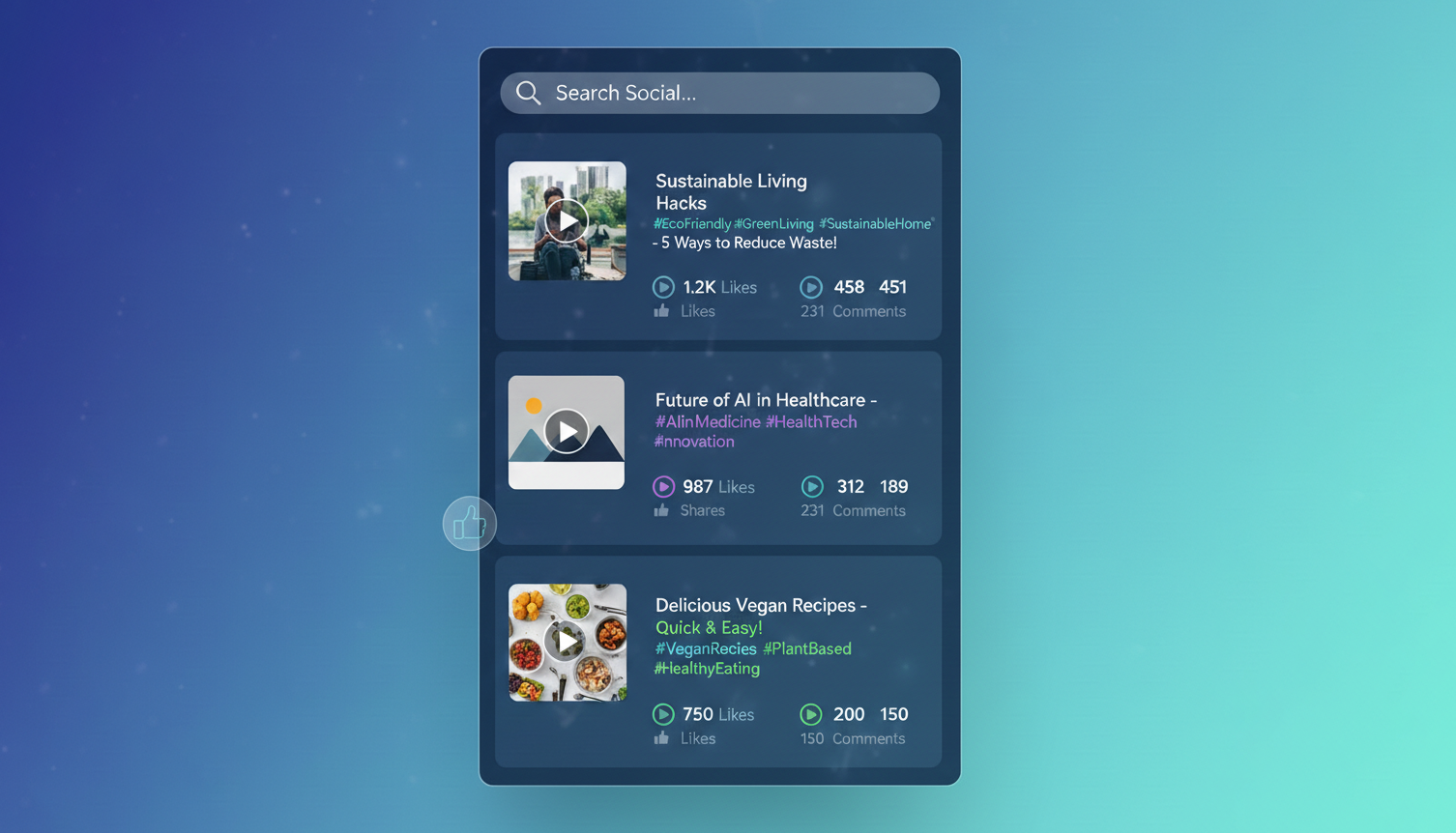
- Native SEO: Brands are now focusing on optimizing captions, hashtags, on-screen text, and video descriptions so their content appears when users search for specific solutions or topics. This goes beyond inserting keywords; it requires understanding the search intent of platform users. By aligning content with common queries, brands can increase visibility and engagement, ensuring their posts are discoverable at the exact moment users are seeking relevant content.
- Voice and Visual Search Optimization: Platforms increasingly support voice and visual-based searches. Marketers need to craft content that is easily understood by automated systems that power these searches, which requires precise language, descriptive visuals, and clear messaging. Optimizing for these modes of search ensures brands can reach audiences in the formats they prefer.
- Content Strategy: SSO involves creating content that directly answers user questions, provides solutions, or highlights product features. Longer posts or videos that comprehensively address topics improve rankings within platform searches, while short, focused content ensures quick discoverability. A consistent strategy across multiple post formats enhances visibility across the platform.
- Analytics and Continuous Refinement: Tracking which searches lead to engagement or conversions is essential. By analyzing search performance data, marketers can refine content strategies, improve search rankings, and continuously optimize campaigns to meet audience needs more effectively.
2. Agentic AI Co-Pilots
AI has progressed beyond simple automation into an active role that assists marketers in managing campaigns efficiently and intelligently.
- Dynamic Campaign Management: Agentic AI monitors ad performance in real-time, adjusting budgets, placements, and audience targeting automatically to maximize results. This reduces wasted spend and ensures that campaigns respond to user engagement patterns instantly.
- Automated Personalized Engagement: AI can craft tailored responses to thousands of comments, DMs, or mentions while maintaining brand voice. This enables brands to maintain meaningful engagement at scale, providing timely responses to audiences without overwhelming marketing teams.
- Rapid Content Prototyping: Marketers can leverage AI to test variations of posts, landing pages, or campaign visuals quickly. This allows teams to identify which messaging or formats resonate best, accelerating decision-making and campaign rollout.
- Predictive Insights: AI tools analyze patterns in audience behavior and content performance, helping marketers anticipate emerging trends and optimize content strategies before issues arise. This predictive capability allows campaigns to be proactive rather than reactive.
Integrating AI as an active co-pilot provides marketers with the ability to scale operations efficiently while maintaining high levels of personalization and responsiveness.
3. The “Video-fication” of Depth
Short-form video remains popular, but audiences increasingly value content that provides depth and meaningful engagement. Long-form shorts are emerging as a key trend.
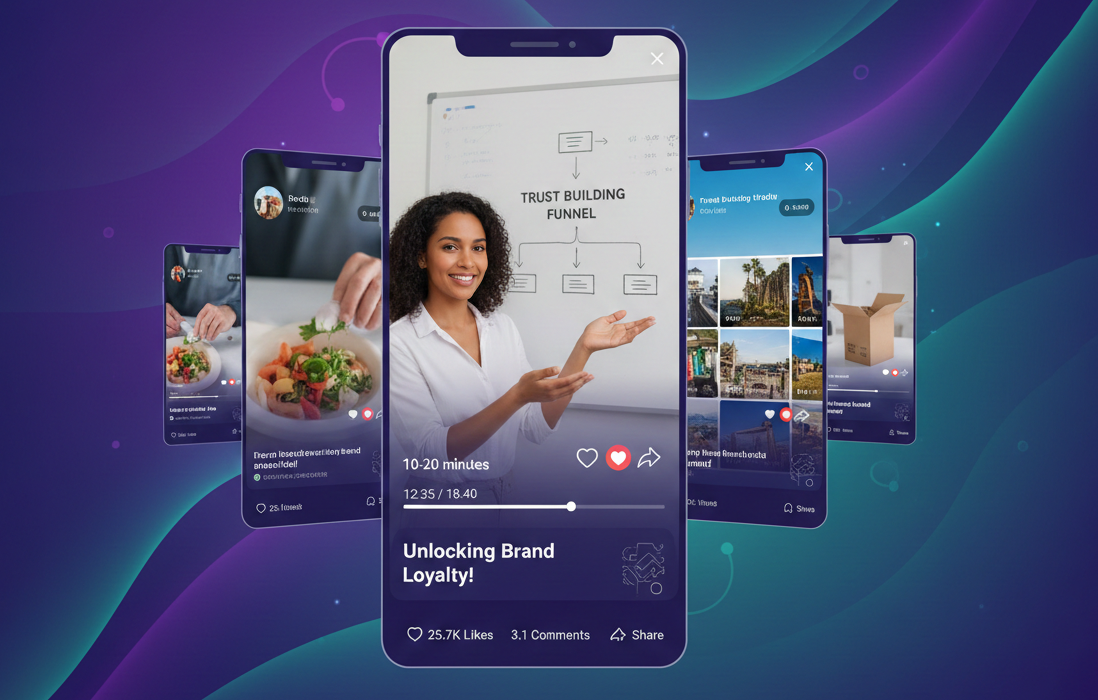
- Educational and Informative Content: Longer videos allow brands to provide tutorials, demonstrations, or guidance that help audiences understand products or services comprehensively. This builds trust by offering valuable insights rather than just quick entertainment.
- Storytelling and Brand Narratives: Mini-documentaries or extended narratives give audiences insight into brand missions, values, or behind-the-scenes processes. Story-driven videos foster stronger emotional connections and enhance brand loyalty.
- Mitigating Scroll Fatigue: Extended, engaging content encourages viewers to pause and invest attention. By providing value that goes beyond quick gratification, brands reduce passive consumption and increase meaningful engagement metrics.
- Content Repurposing: Long-form content can be segmented into shorter clips or highlights to maintain reach across platforms without losing the depth and value of the original video. This approach maximizes content utility and audience exposure.
This trend highlights the importance of balancing entertainment with education, encouraging brands to prioritize depth, trust, and sustained attention.
4. Full-Funnel Influencer Partnerships
Influencer marketing now extends beyond awareness campaigns, becoming a full-funnel strategy that drives engagement, leads, and conversions.
- Micro and Nano-Influencers: Smaller-scale creators often have niche, highly engaged communities that produce better conversion rates than broad-reach influencers. Partnering with them allows brands to access audiences that are more likely to trust recommendations.
- End-to-End Performance Tracking: Brands measure influencer contributions across the entire customer journey, from initial awareness to purchase, ensuring that partnerships are accountable and ROI-focused.
- Collaborative Campaign Development: Influencers are involved in co-creating content, ensuring authenticity while aligning messaging with brand objectives. This collaboration fosters credibility and resonates better with audiences.
- Data-Driven Compensation: Compensation structures increasingly depend on measurable outcomes such as engagement, click-throughs, and conversions, rather than just follower count. This ensures partnerships are mutually beneficial and result-oriented.
Full-funnel influencer strategies integrate social proof, trust, and measurable impact into marketing campaigns, making influencer partnerships more strategic and results-focused.
5. Conversational Social Commerce
Social commerce has evolved into interactive, real-time experiences, allowing users to engage and purchase within messaging environments.
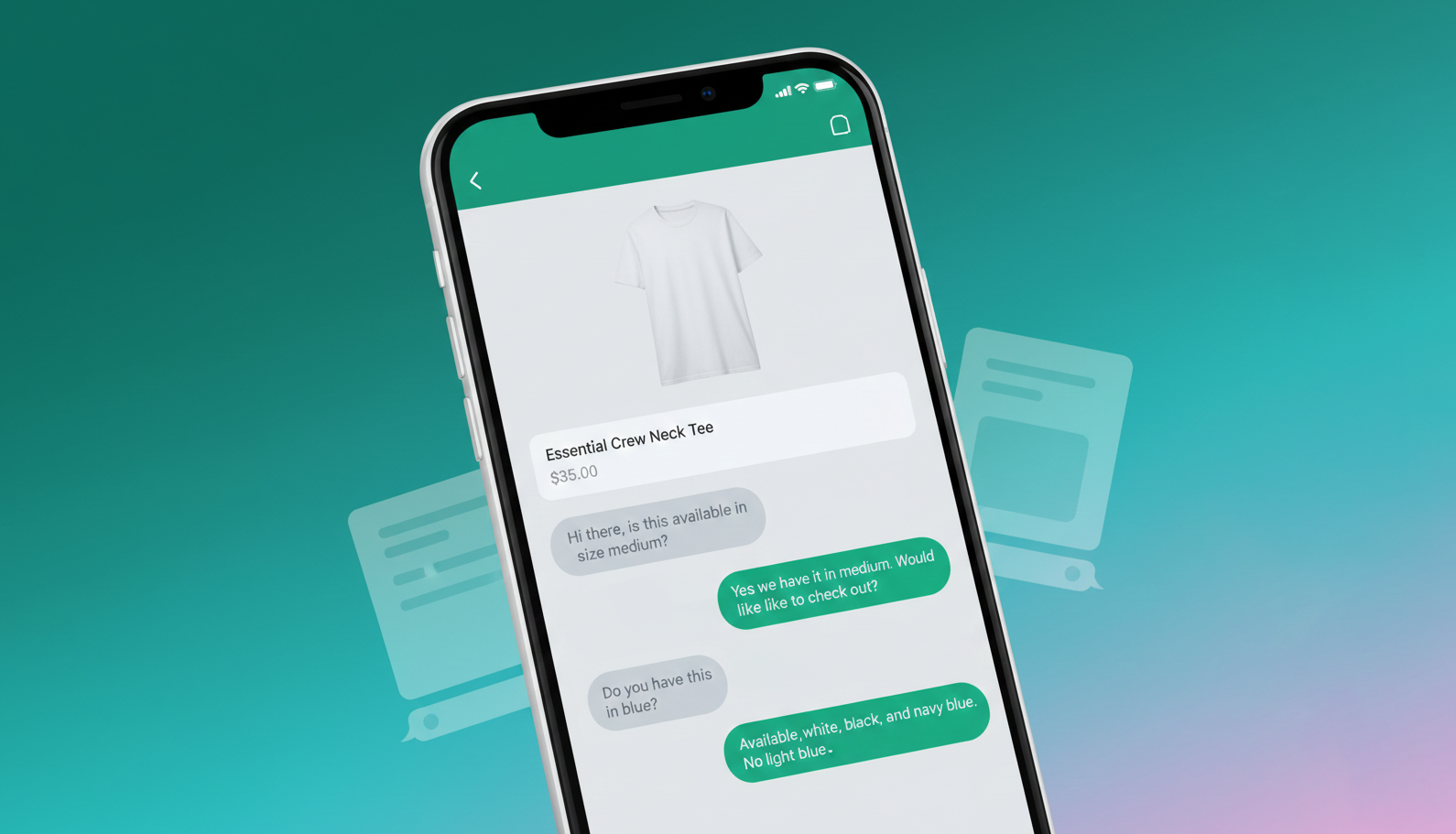
- AI-Powered Brand Assistance: Users can interact with AI assistants directly in DMs to ask about product details, availability, or delivery options. Personalized responses improve user experience and increase purchase likelihood.
- Seamless Chat-to-Cart: Transactions are completed entirely within messaging platforms, removing friction and reducing cart abandonment rates. This convenience strengthens brand trust and encourages repeat engagement.
- Personalized Recommendations: AI-powered suggestions are tailored based on prior interactions, browsing behavior, and user preferences, making shopping highly relevant to individual users.
- Human Oversight for Complex Interactions: When inquiries require nuanced responses, AI can escalate conversations to human representatives, maintaining high-quality service while benefiting from automation efficiency.
Conversational social commerce emphasizes interactive and personalized experiences, driving engagement and enhancing the overall shopping journey.
6. Lo-Fi “Human Spark” Content
As AI-generated content becomes ubiquitous, audiences increasingly value authenticity, imperfection, and human presence in content.
- Behind-the-Scenes Footage: Sharing real moments from operations, product development, or daily team activities fosters transparency and relatability.
- Employee-Led Storytelling: Featuring team members sharing experiences or insights humanizes the brand and builds emotional connection with audiences.
- Raw and Unpolished Media: Imperfect visuals or casual production styles signal authenticity, making content feel more trustworthy and approachable compared to overly polished AI-generated content.
- Community and User Contributions: Encouraging audience-created content amplifies authenticity, strengthens community, and reinforces the “human spark” in digital interactions.
This trend emphasizes that audiences reward brands that feel real, relatable, and transparent in an increasingly automated landscape.
7. DM-First Engagement Strategies
Private messaging has emerged as a critical touchpoint for meaningful interactions, with brands shifting focus from public comments to semi-private and intimate conversations.
- Inner Circles and Exclusive Communities: Brands are creating private groups on platforms such as WhatsApp Channels, Discord, or Telegram to offer exclusive content, product drops, or early access. These spaces cultivate loyalty, making audiences feel like insiders rather than passive followers.
- Direct, Personalized Communication: Through DMs, brands can address individual questions, provide guidance, and share tailored recommendations. Personalized messaging enhances user satisfaction and strengthens trust in the brand.
- Superfan Activation: By engaging with high-value followers directly, brands can turn loyal customers into advocates. Superfans often promote products organically, share content, and contribute to community growth, creating a multiplier effect.
- Event-Based Engagement: Brands can host live Q&A sessions, product walkthroughs, or interactive events within private channels. This level of access drives deeper engagement and reinforces emotional connections.
DM-first strategies recognize that private, controlled spaces often yield higher-quality interactions than public comment sections. They allow brands to focus on meaningful relationships rather than superficial metrics, improving retention and advocacy.
8. User-Tuned Algorithm Control
Social media platforms are increasingly giving users the ability to manage what content appears in their feeds, fundamentally changing how marketers approach visibility.
- Topical Relevance: Content must align with the specific interests users select within platform controls. Brands must ensure their posts are explicitly relevant to topics followers care about, as passive engagement or algorithmic shortcuts are less effective.
- Keyword and Preference Filters: Users can filter content by topics, keywords, or creators. Marketers need to tailor posts to these preferences, ensuring content surfaces for the right audiences.
- Prioritizing Quality Over Quantity: As users curate their own feeds, creating high-value, meaningful content becomes more important than frequent posting. Content that resonates deeply is more likely to be engaged with and shared.
- Encouraging User Engagement: When audiences actively choose to follow topics or express interest in specific content, it signals the platform to prioritize posts in feeds. Encouraging these behaviors through call-to-actions or interactive elements increases visibility.
User-tuned algorithm control shifts power from platforms to audiences, requiring marketers to focus on relevance, authenticity, and value. Brands that succeed in this environment can maintain visibility and engagement even as algorithmic manipulation becomes ineffective.
9. Joy-Driven Sustainability
Sustainability messaging has evolved from cautionary or guilt-based campaigns to approaches that emphasize optimism, joy, and tangible impact.
- Optimistic Circularity: Brands highlight sustainable practices such as upcycling, reuse, and eco-friendly production in ways that are visually appealing and engaging. This approach frames sustainability as positive and inspiring rather than punitive.
- Visual Storytelling: Content showcasing the aesthetic appeal of pre-owned goods, recycled materials, or environmentally conscious practices increases engagement by combining purpose with compelling visuals.
- Micro-Impact Communication: Instead of abstract claims, brands emphasize specific, actionable steps they are taking to reduce environmental impact. Clear, tangible initiatives help audiences connect with the brand’s mission.
- Community Involvement: Encouraging users to participate in sustainability challenges, share personal eco-friendly practices, or co-create content reinforces engagement and amplifies messaging organically.
By focusing on joy-driven sustainability, brands can connect purpose with emotion, enhancing brand perception while driving positive behavioral change.
10. Digital Wellbeing & “Appstinence”
Scroll fatigue and digital burnout have prompted a trend toward low-friction marketing that respects users’ attention and encourages mindful engagement.
- Offline-Friendly Content: Brands create downloadable resources, audio summaries, or printables that provide value even when users are offline. This reduces pressure on constant screen time while maintaining engagement.
- Low-Friction Interaction: Short, concise content that can be quickly consumed ensures that audiences receive the message without being overwhelmed. Interactive elements, such as quick polls or prompts, engage users without demanding extensive attention.
- Encouraging Breaks: Campaigns that promote short breaks or offline reflection foster positive brand associations. Users perceive brands as considerate and responsible, strengthening loyalty.
- Long-Term Engagement Focus: By prioritizing user wellbeing, brands cultivate trust and sustainable relationships rather than seeking short-term engagement spikes. This approach encourages repeat interactions and builds lasting value.
Digital wellbeing strategies balance engagement with user care, reinforcing brand credibility and creating a positive impression in increasingly saturated and stressful digital environments.
Conclusion of Social Media Trends in 2026
Staying ahead of social media marketing trends in 2026 is essential for brands seeking relevance, engagement, and measurable results in today’s competitive landscape. From AI-driven co-pilots and long-form video storytelling to DM-first engagement, user-tuned algorithm strategies, and joy-driven sustainability, these trends highlight the need for a thoughtful, audience-centric approach. Implementing conversational commerce and human-first, Lo-Fi content ensures campaigns are authentic, interactive, and meaningful. Similarly, prioritizing digital wellbeing demonstrates respect for users, fostering loyalty and trust.
By understanding and applying these innovations strategically, marketers can craft campaigns that deliver value at every stage of the customer journey. Staying aligned with trends ensures brands remain visible, connected, and responsive to evolving audience preferences. The integration of these practices will define successful campaigns in the modern social media ecosystem, driving growth, engagement, and lasting brand impact.