

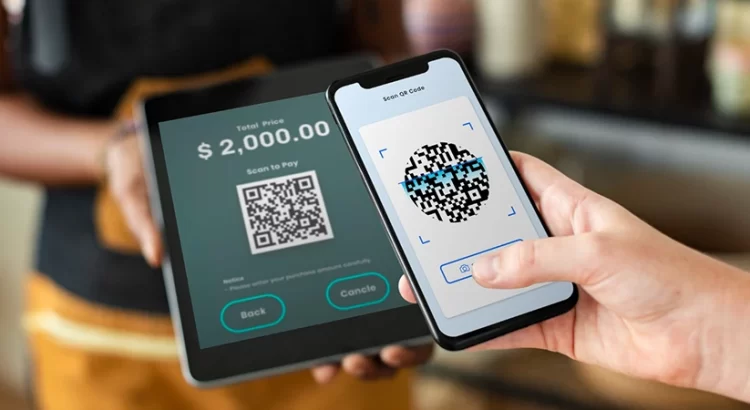
Optimizing UPI payments for your e-commerce store in India can simplify customer transactions, reduce cart abandonment, and boost trust. Many buyers prefer fast, secure payment options that work seamlessly across devices. UPI has become one of the most widely adopted solutions for Indian shoppers because of its instant transfer capability. By implementing it correctly, you can create a smoother checkout flow and improve overall sales performance.
An Overview of UPI
The Unified Payments Interface (UPI), developed by the National Payments Corporation of India (NPCI), is now central to how individuals and businesses manage digital transactions. It allows instant money transfers, bill payments, and merchant payments across banks through a smartphone. For online retailers, UPI provides a frictionless way to accept customer payments while keeping transactions secure and easy to use. Its growth has pushed more businesses to explore payment integration as a priority in their online strategy.
Key Components of UPI
- Virtual Payment Address (VPA): Each user can create a unique ID, like name@bank, that links multiple accounts, reducing the need to share sensitive details.
- Mobile Apps: Most transactions occur through apps like Google Pay, PhonePe, or bank-specific applications, acting as the interface for sending and receiving funds.
- Two-Factor Authentication: Every payment is verified using a UPI PIN, and some apps also support biometric options for additional safety.
- Immediate Payment Service (IMPS): Built on IMPS infrastructure, UPI makes real-time interbank transfers easier with its streamlined interface.
For businesses, integrating these systems can be handled with help from our expert ecommerce developers in India, who ensure smooth and secure payment gateway deployment.
The Work Process of UPI Payment System
- Setup: Customers download a UPI-enabled app, link their bank accounts, and create a Virtual Payment Address.
- Transaction Initiation: The buyer chooses UPI at checkout, enters the recipient’s VPA or scans a QR code.
- Authorization: They authenticate the payment with their PIN or biometric method.
- Immediate Transfer: Funds move instantly, with both sender and recipient notified of the completed payment.
These simple steps give customers confidence, which is why more online retailers are optimizing their checkout systems around UPI.
Use Cases of UPI (Unified Payments Interface)
- Peer-to-Peer Transfers: Instantly send or receive money 24/7 for personal payments.
- Merchant Payments: Use QR codes or app-based approvals to pay at physical stores or online shops.
- Bill Splitting and Expense Sharing: Make group payments easier by requesting and receiving shared contributions.
- Subscription and Utility Bills: Recharge, pay bills, and renew services directly through UPI apps.
- E-commerce Transactions: Streamline online shopping without exposing card details.
- Banking Services: Check balances, view history, or manage multiple accounts within one platform.
- Charity Donations: Contribute to NGOs and causes quickly and safely.
- Investment and Trading: Fund brokerage accounts instantly for timely investments.
- Travel Bookings: Pay for flights, hotels, and transportation without complex details.
- Government Fees and Taxes: Simplify official payments without paperwork or physical visits.
Benefits of Adding UPI Payment Option to Your E-commerce Store in India
For an India-based online retailer, adding UPI is not just about offering another payment method, it is about improving customer experience and boosting conversions.
Instant Payments Anytime
Unlike traditional transfers, UPI processes payments instantly, 24 hours a day and seven days a week. Customers can complete transactions during holidays or after banking hours without delays, creating a more convenient buying experience and reducing cart abandonment.
Seamless and Easy Checkout
With UPI, buyers do not have to enter long card numbers or net banking credentials. They can use a Virtual Payment Address or scan a QR code to finish their payment. This level of simplicity streamlines the checkout process and encourages faster purchasing decisions.
Reliable Transaction Success
UPI transactions have a significantly higher success rate compared to many card-based gateways. This reliability prevents customer frustration caused by failed payments and helps store owners avoid unnecessary disputes or abandoned orders.
Secure and Trusted System
The platform uses multi-factor authentication and device-based verification to keep transactions safe. These built-in measures build trust with customers, many of whom are careful about sharing sensitive financial details online.
Cost-Effective for Businesses
Most UPI transfers do not come with added charges for customers, making it an appealing choice for buyers. Businesses can also benefit from lower processing costs compared to traditional card gateways, improving overall profitability.
Reach More Customers Across India
UPI adoption has grown in both major cities and smaller towns, making it a vital payment option for businesses aiming to reach a wider audience. By adding this method, your e-commerce store can attract customers across regions, regardless of their bank or app preferences. If your store is built on WooCommerce, our WooCommerce development services in India can help integrate UPI smoothly, so you can serve more shoppers while keeping performance reliable.
How to Optimize Your E-commerce Checkout with UPI Payment Gateways
Integrating a robust UPI payment gateway is the first step. But proper optimization goes beyond just offering the option. Here’s how small business owners in India can truly maximize their e-commerce checkout with UPI:
1. Prioritize a Streamlined, Single-Page Checkout
The fewer steps a customer has to take, the better. Consider implementing a single-page checkout where all necessary information such as shipping details, billing address, and payment options is presented clearly.
If your online store is built on Magento, working with skilled Magento developers in India can help you create a fast-loading, conversion-focused single-page checkout that minimizes friction for buyers.
2. Make UPI Prominently Visible
Do not hide your most popular payment option. Make UPI a primary and easily identifiable method on your checkout page with clear icons and labels. Instead of grouping it under “Digital Wallets,” provide a distinct “Pay with UPI” option to build customer confidence.
3. Implement UPI Intent Flow for Mobile Users
For mobile shoppers, the UPI intent flow is essential. When selected, the buyer’s preferred UPI app like PhonePe, Google Pay, or Paytm opens automatically with payment details pre-filled, reducing errors and saving time.
4. Offer QR Code Payments for Desktop or Laptop Buyers
While UPI intent works well for mobile, desktop users benefit from dynamic QR codes at checkout. Shoppers can scan these codes with their phones and pay instantly, without additional steps.
For Shopify-based stores, professional Shopify development in India can ensure smooth integration of dynamic QR code payments, helping create a seamless checkout flow across both desktop and mobile devices.
5. Leverage Auto-Fill and Saved Details
UPI reduces the need for manual entry, but other fields like shipping addresses should also support auto-fill and saving for future use. A “Save for next time” option after checkout makes repeat purchases faster, building loyalty.
6. Ensure Mobile Responsiveness is Top-Notch
Most e-commerce traffic in India comes from mobile devices, so your checkout flow must adapt flawlessly to small screens. This includes large, tappable buttons, readable fonts, and forms that fit well with on-screen keyboards. Our responsive website design in India services can help ensure your pages look great and function perfectly on every device.
7. Provide Clear and Timely Error Messages
When a payment fails, the error message should help the customer fix the issue instead of simply saying “Payment Failed.” State the reason, such as “Incorrect UPI PIN” or “Insufficient Funds,” and offer guidance so the buyer can quickly try again. This approach keeps frustration low and reduces the chance of cart abandonment.
8. Display Trust Signals Prominently
Reassure customers that their transactions are safe by showing visible trust markers like SSL certificates, PCI DSS compliance badges, or verified customer reviews. Placing a “Secure Payment” badge next to the UPI option can build confidence, especially for first-time shoppers.
9. Implement Abandoned Cart Recovery Strategies
Even well-optimized checkouts will see some abandoned carts. Automated email or SMS reminders can bring customers back, and small incentives like free shipping or discounts often encourage them to complete the order.
10. Offer Guest Checkout
Do not make account creation mandatory for buyers. A guest checkout option makes the process quicker, helping you capture more sales. After the purchase, you can invite the customer to register by highlighting benefits like easier order tracking and faster repeat purchases.
For additional insights on available payment solutions and common hurdles, learn more in our guide on Payment Gateway Integration for E-commerce Websites in India: Options & Challenges.
Wrapping Up
Optimizing UPI payments is essential for any e-commerce store in India that wants to simplify transactions and convert more visitors into paying customers. By improving checkout flow, integrating popular payment methods, and ensuring mobile-friendly experiences, online stores can build trust while boosting revenue.
Our experienced e-commerce developers in India specialize in platforms like WooCommerce, Magento, and Shopify, offering full development and payment integration solutions. Whether you need a new store built or want to enhance your existing one, we can deliver a smooth, secure, and conversion-driven experience for your customers. Reach out to us today to get started with professional development and integration support.