

LinkedIn for SEO has become an important strategy for professionals and businesses aiming to strengthen their online presence and authority. As a professional networking platform with millions of active users, LinkedIn allows brands, entrepreneurs, and experts to showcase knowledge, build credibility, and improve discoverability in search engines.
To understand how social platforms influence search performance, it is useful to explore the relationship between social signals and search visibility. The article Social Media in SEO: How Social Engagement Influences Organic Visibility explains how social engagement contributes to stronger online authority and search performance, providing helpful context for understanding LinkedIn’s role in broader digital visibility.
For B2B companies in particular, LinkedIn acts as a professional discovery engine. Decision-makers, industry leaders, and potential clients frequently search for expertise, services, and thought leadership on the platform. When optimized correctly, LinkedIn profiles, company pages, and content can appear in both LinkedIn search results and external search engines.
Although LinkedIn does not directly control Google rankings, it can indirectly support search engine performance through authority building, brand visibility, backlinks, and audience engagement. This article explains practical methods to improve professional visibility and authority using LinkedIn SEO strategies that support broader digital marketing efforts.
LinkedIn SEO Strategies for B2B Growth
Effective LinkedIn SEO strategies help professionals and brands become more discoverable both inside the platform and through search engines. When profiles, content, and company pages are optimized properly, they can attract decision-makers, industry peers, and potential customers.
The following steps explain how to improve LinkedIn visibility and authority through practical optimization techniques.
1. Optimize Your LinkedIn Profile with Relevant Keywords
A well-optimized LinkedIn profile functions similarly to a landing page. Search engines frequently index LinkedIn profiles, meaning they can appear in Google results when someone searches for a professional or service.
Start by identifying important LinkedIn SEO keywords related to your industry, role, and expertise. These keywords should represent what potential clients or employers may search for when looking for your skills or services.
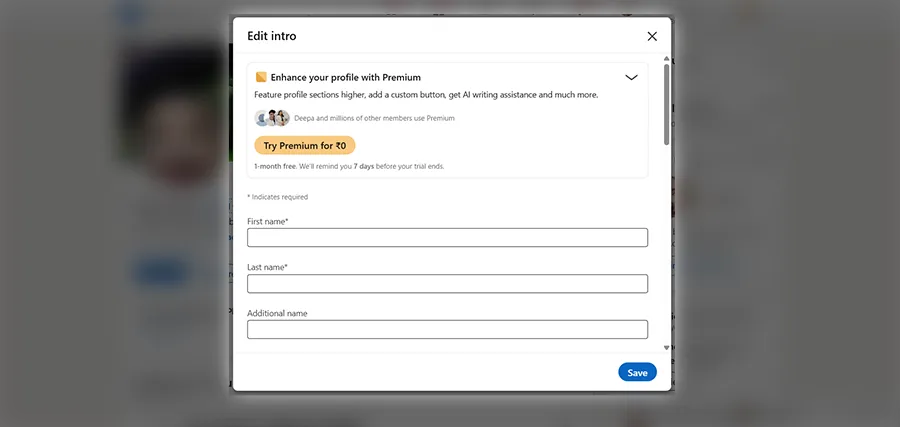
Include these terms naturally in the following profile areas:
- Headline
- About section
- Experience descriptions
- Skills and endorsements
- Featured content section
Profiles that contain clear industry terms and expertise descriptions are easier for search algorithms to categorize and display in relevant results. Profiles built with structured keyword placement often appear more frequently in professional searches.
Many leading social media marketing experts emphasize that profile optimization is the foundation of professional discoverability on LinkedIn.
2. Use Strategic Keywords in Your Headline and About Section
The headline and About section are two of the most powerful locations for keyword optimization.
Your headline appears in search results, profile previews, and connection requests. Because of this, it should clearly communicate your expertise and professional focus while incorporating important LinkedIn SEO keywords.
For example, instead of a simple job title, a more optimized headline could include industry terms and specialties such as marketing strategy, SEO consulting, or B2B growth marketing.
The About section allows more space to explain experience, services, and achievements. This section should include a natural combination of professional storytelling and keyword placement.
A well-written About section can:
- Improve LinkedIn search visibility
- Provide context for search engines
- Build credibility with potential clients or recruiters
- Encourage profile engagement
Avoid excessive keyword repetition. Instead, use variations and related terms that describe your expertise clearly.
3. Create SEO-Friendly LinkedIn Posts and Articles
Content plays a major role in LinkedIn discoverability. Publishing posts and long-form articles helps expand your visibility across both LinkedIn’s internal search system and external search engines.
When creating content, consider using keywords related to your industry, services, or professional expertise. These keywords help LinkedIn categorize your content and present it to relevant audiences.
Effective LinkedIn content strategies include:
- Educational industry insights
- Thought leadership posts
- Data-driven commentary
- Case studies and professional experiences
- How-to guides and practical tips
Long-form LinkedIn articles are particularly useful because they often rank in search engines. These articles allow professionals to demonstrate expertise while targeting specific LinkedIn SEO keywords that align with industry topics.
Consistent publishing also strengthens personal brand authority over time.
4. Optimize LinkedIn Company Page for Search Visibility
For businesses, the LinkedIn Company Page acts as a public brand hub that can appear in search engine results. Optimizing the company page helps improve brand discoverability for potential clients and partners.
Key optimization areas include:
- Company description
- Industry category
- Services and specialties
- Website link
- Company hashtags
Including relevant LinkedIn SEO keywords in the company description improves the likelihood that the page appears in search results related to those services.
Regular company updates, articles, and announcements also signal activity and relevance, which can increase visibility on the platform.
5. Use Hashtags Strategically for LinkedIn Discoverability
Hashtags play an important role in LinkedIn content discovery. They allow posts to reach audiences who follow or search for specific topics.
When publishing posts, include relevant hashtags that align with the content topic. These hashtags help LinkedIn categorize the content and distribute it to users interested in similar discussions.

Best practices include:
- Use 3 to 5 relevant hashtags per post
- Combine broad and niche hashtags
- Align hashtags with industry discussions
- Avoid overly generic tags
Strategic hashtag usage improves discoverability while helping content reach a wider professional audience.
6. Build High-Quality Connections and Network Engagement
LinkedIn’s algorithm strongly favors active networks. Profiles with strong professional connections tend to achieve greater visibility because engagement signals relevance and credibility.
Focus on building connections with:
- Industry professionals
- Potential clients
- Thought leaders
- Colleagues and collaborators
- Conference or event contacts
When connections interact with your posts through likes, comments, or shares, your content can reach second and third-degree networks. This expanded visibility improves both brand recognition and professional authority.
A strong professional network also increases opportunities for collaboration, partnerships, and referrals.
7. Encourage Profile Engagement Through Comments and Shares
Engagement signals play a major role in LinkedIn content visibility. Posts that receive comments, reactions, and shares are more likely to appear in users’ feeds and recommended content sections.
Encourage engagement by asking questions, sharing opinions, or presenting industry insights that invite discussion.
Effective engagement strategies include:
- Ending posts with discussion questions
- Responding to comments quickly
- Sharing relevant industry opinions
- Encouraging professional conversations
Active discussions also signal credibility and thought leadership within a specific industry niche.
Over time, this engagement can improve overall visibility and contribute to stronger LinkedIn SEO performance.
8. Add SEO Keywords to Job Titles, Skills, and Experience
Another effective optimization method involves adding LinkedIn SEO keywords to job titles, skill lists, and experience descriptions.
Instead of using generic job titles alone, consider including industry-specific terms that clarify your professional focus.
For example, a marketing professional may include variations such as:
- Digital Marketing Specialist
- SEO Consultant
- Content Marketing Strategist
- Ecommerce Marketing Manager
Skills and endorsements also play a role in search visibility. Adding relevant skill keywords helps LinkedIn categorize your expertise and present your profile in related searches.
Experience descriptions should also contain clear, concise explanations of responsibilities and achievements.
9. Maintain Consistent Content Publishing on LinkedIn
Consistency is a key factor in building long-term visibility. Profiles that publish regularly tend to develop stronger engagement and broader audience reach.
Consistent publishing helps:
- Establish thought leadership
- Build audience trust
- Increase profile activity signals
- Expand professional reach
This does not require daily posting. Instead, focus on maintaining a steady publishing rhythm that provides valuable content to your network.
Many professionals publish one to three posts per week to maintain visibility and engagement without overwhelming their audience.
Over time, this consistent activity strengthens brand authority and visibility.
10. Gain Backlinks to Your LinkedIn Profile from Other Platforms
Backlinks are a well-known SEO factor for websites, and they can also benefit LinkedIn profiles. When other platforms link to your LinkedIn profile, it strengthens your professional presence across the web.
Consider linking your LinkedIn profile from:
- Personal websites
- Author bios
- Company websites
- Guest articles
- Industry directories
These backlinks help search engines understand the relevance and authority of your professional profile.
They also increase the chances that potential clients or collaborators discover your profile through different digital channels.
Using a dedicated LinkedIn SEO tool or analytics platform can also help monitor profile performance, engagement trends, and referral traffic.
Measuring LinkedIn’s Impact on SEO
While LinkedIn does not directly influence search engine rankings, it can contribute to broader visibility and brand authority. Measuring its impact helps businesses understand the value of LinkedIn SEO efforts.
One useful metric is branded search trends. If more users begin searching for your brand name or professional identity after LinkedIn activity increases, it indicates growing brand awareness.
Referral traffic is another important measurement. Businesses can track website visits coming from LinkedIn to determine whether professional content and networking efforts drive qualified visitors.
Engagement quality also provides insight into visibility. Comments, shares, and profile visits suggest that your content is reaching relevant audiences and building professional credibility.
Long-term visibility growth is perhaps the most important indicator. Over time, consistent content, networking, and profile optimization can strengthen professional authority and brand reputation across digital channels.
For deeper understanding of how social engagement strengthens search presence, explore how social media interactions contribute to stronger organic visibility in this article: how social engagement influences organic search performance.
Summary of LinkedIn for SEO
LinkedIn has evolved into more than a networking platform. It is now a powerful channel for professional discovery, authority building, and industry engagement.
For B2B brands and professionals, optimizing LinkedIn profiles, company pages, and content can significantly improve professional visibility. Strategic keyword placement, consistent publishing, and meaningful network engagement all contribute to stronger discoverability.
Successful optimization requires consistency, credibility, and relevance. Profiles that share valuable insights, engage in discussions, and maintain active networks are more likely to attract attention from decision-makers and industry peers.
Although LinkedIn is not a traditional search engine optimization channel, its influence on brand awareness, authority, and referral traffic makes it a valuable component of modern digital marketing strategies. When used effectively, LinkedIn for SEO becomes a long-term platform that supports broader search visibility and professional growth.