


Understanding Instagram for SEO helps explain how social platforms contribute to online visibility and brand discovery. Discussions about the connection between social media activity and search performance often lead to topics such as Social Media in SEO: How Social Engagement Influences Organic Visibility, which explores how audience interaction can support broader digital marketing efforts.
Social media platforms contribute to digital visibility by helping brands reach audiences through engagement, shares, and searchable content. As people increasingly look for ideas, products, and recommendations directly on social platforms, these networks have become an important part of the online discovery process.
Instagram has gradually evolved into a searchable platform where users explore topics, accounts, and locations. By optimizing profiles, captions, and hashtags, businesses and creators can improve brand discovery and extend their reach. This approach, often referred to as Instagram SEO, focuses on making profiles and content easier to find within the platform.
Importance of Instagram for SEO
Instagram for SEO is essential for enhancing a brand’s digital visibility and online reach. As social platforms increasingly influence search behavior, optimized content helps accounts appear in search results and discovery pages.
Well-structured profiles with strategic captions, relevant hashtags, and quality visuals increase brand visibility, while profile links drive higher website traffic. Consistent posting and audience interaction strengthen brand authority and trust, encouraging followers to engage through likes, comments, shares, and saves.
Higher engagement also expands audience reach and connection with potential customers. Leveraging professional social media marketing services ensures these strategies are applied effectively, supporting overall digital marketing goals and sustainable growth.
Instagram SEO Strategies
To achieve the best results, you must implement Instagram SEO best practices across every facet of your account. The following fifteen steps provide a comprehensive roadmap for turning your profile into a search-friendly powerhouse.
1. Optimize Your Username
Your username serves as your primary identifier and is the first thing the search algorithm crawls. Choosing a clear username related to your brand or niche is vital for immediate recognition. A concise and relevant handle makes it easier for users to remember and type into the search bar.
To ensure your username is fully optimized, consider the following elements:
- Brand Consistency: Use the same name across all social platforms to reinforce brand identity.
- Clarity over Creativity: Avoid excessive underscores or numbers that might confuse a user trying to find you.
- Niche Keywords: If your brand name is unique, try to include a broad category word if space permits.
2. Add Keywords to Your Profile Name
The “Name” field on your profile is a major ranking signal that is distinct from your username. Including searchable keywords in the display name significantly increases the chances of appearing in search results when users look for specific services.
You can optimize this field by focusing on these specific areas:
- Core Service Inclusion: If you are a consultant, include “Consultant” next to your name.
- Vertical Bar Usage: Use a “|” to separate your brand name from your descriptive keywords for better readability.
- High-Volume Terms: Research what your audience is actually typing into the search bar and mirror those terms here.
3. Write a Keyword-Optimized Bio
Your bio is your digital elevator pitch. Describing your niche, services, or expertise using relevant keywords allows the algorithm to categorize your account accurately. It tells both the system and the user exactly what value you provide within seconds.
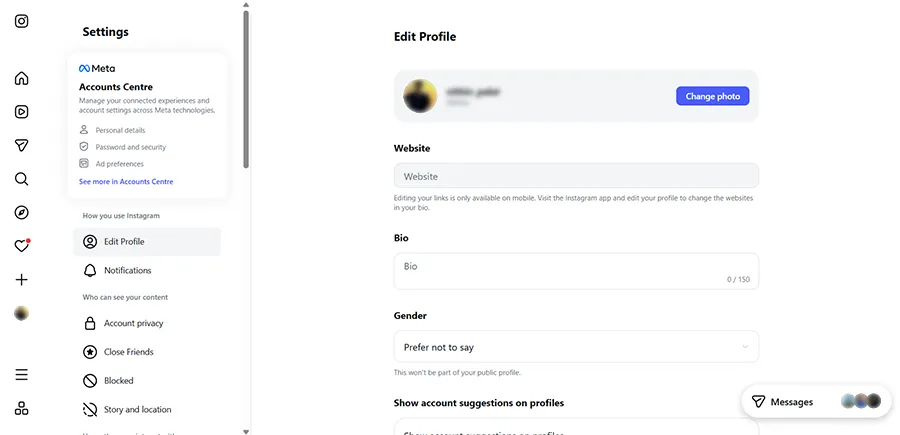
The following tips will help you craft a bio that ranks:
- Primary Keyword Placement: Ensure your main industry term appears in the first two lines.
- Clickable Elements: Use branded hashtags or mentions to link to other relevant parts of your business.
- Action-Oriented Language: Include a clear call-to-action that uses a keyword related to your primary goal, such as “Download our SEO guide.”
4. Use Relevant Keywords in Captions
Instagram has moved beyond just analyzing hashtags; it now processes the actual text in your captions. Writing captions that naturally include keywords related to your content topic helps the “Explore” page recommend your posts to interested users.
To write captions that perform well in search, focus on these descriptions:
- Contextual Relevance: Ensure the keywords used actually match the visual content of the post.
- Long-Tail Keywords: Instead of just “marketing,” use “digital marketing for small businesses” to capture more specific searches.
- First Sentence Priority: Place the most important terms at the beginning of the caption to grab attention.
5. Use Strategic Hashtags
Hashtags function like categories in a filing system. Using a mix of popular, niche, and branded hashtags improves discoverability by placing your content in various search “buckets.”
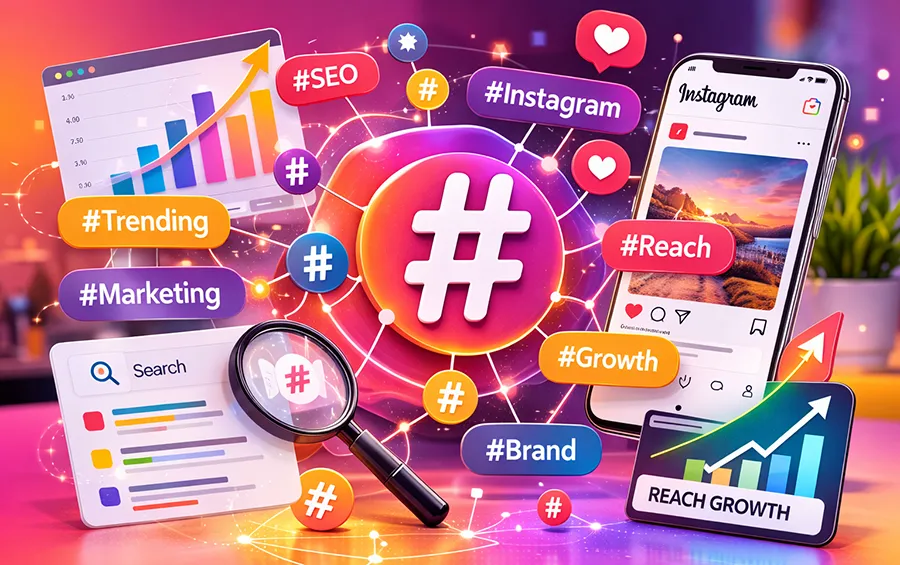
Effective hashtagging involves the following detailed approaches:
- The Rule of Three: Balance three types of tags: high-volume (broad), medium-volume (specific), and low-volume (community-based).
- Avoid Over-Tagging: Stick to 3–5 highly relevant tags rather than 30 irrelevant ones to prevent looking like spam.
- Hidden Placement: Place hashtags at the bottom of the caption or in the first comment to keep the main text clean.
6. Add Alt Text to Images
Alt text is a powerful but often overlooked Instagram SEO tool. Using custom alt text to describe images helps the platform understand your content, which is especially important for accessibility and for showing up in image search results.
When writing alt text, make sure to include these details:
- Descriptive Accuracy: Describe exactly what is in the photo without being overly poetic.
- Keyword Integration: Naturally weave in a primary keyword that relates to the image.
- Brevity: Keep the description under 100 characters while remaining informative.
7. Tag Locations
Geotagging is the cornerstone of local discovery. Adding location tags allows you to reach audiences searching for content in specific cities, neighborhoods, or venues.
Maximize your local reach by following these steps:
- Specific vs. Broad: Tag a specific business location rather than just a city to appear in hyper-local searches.
- Events and Landmarks: Use tags for popular landmarks during events to capitalize on high search volume.
- Consistency: Always tag your home base or office location to build local authority over time.
8. Create SEO-Friendly Reels
Reels are currently the platform’s most powerful tool for viral reach. Using keywords, captions, and text overlays in reels improves discoverability by allowing the algorithm to “read” the video content.
Optimize your short-form video content with these methods:
- On-Screen Text: Include keywords in the text that pops up on the screen during the video.
- Audio Selection: Use trending audio that is relevant to your niche to appear in audio-based searches.
- Detailed Descriptions: Treat the Reel caption like a mini-blog post to provide more context for the search engine.
9. Maintain a Consistent Posting Schedule
The algorithm prioritizes active accounts that provide a steady stream of fresh content. Regular posting signals that your account is a valuable source of information, which can help maintain your ranking in search results.
To maintain consistency without burnout, use these tactics:
- Content Calendars: Plan your topics a month in advance to ensure keyword coverage is balanced.
- Batch Creation: Produce multiple posts at once to ensure you always have something to upload.
- Quality over Quantity: While consistency matters, one high-quality, optimized post is better than three low-effort ones.
10. Focus on a Clear Content Niche
Accounts with a defined niche perform better in search and recommendations because the algorithm knows exactly who to show your content to. If you post about everything, the system struggles to categorize you.
Define your niche by focusing on these areas:
- Target Audience Research: Identify exactly who you are talking to and what terms they use.
- Visual Theme: Maintain a consistent aesthetic that reinforces your brand’s niche.
- Expertise Building: Stick to 3–4 core topics to become an “authority” in those specific search categories.
11. Encourage Engagement
Engagement is a proxy for quality. Asking questions and creating interactive posts to increase comments, shares, and saves tells Instagram that your content is worth promoting to a wider audience.
Boost your interaction levels by trying these techniques:
- Engaging Captions: End every post with a question that requires more than a “yes” or “no” answer.
- Interactive Stickers: Use polls and “Add Yours” stickers in Stories to drive quick engagement.
- Prompt Replies: Respond to comments within the first hour to signal to the algorithm that the post is generating conversation.
12. Use Carousel Posts
Carousels are excellent for keeping users on your content for longer periods. Educational carousel posts keep users engaged as they swipe through, which increases “dwell time”—a key metric for search ranking.
Structure your carousels for maximum impact:
- The Hook: The first slide must be visually striking and contain a major keyword.
- Value-Packed Middle: Use the middle slides to provide deep-dive information or step-by-step guides.
- Final Summary: The last slide should encourage a “Save” for future reference.
13. Add Text Overlays in Images and Videos
Instagram’s AI can now read text within images and videos. Using visible keywords within your graphics helps the system understand the context of your post even if the user doesn’t read the caption.
Implement text overlays effectively by following these rules:
- Contrast and Readability: Ensure the text is easy to read against the background.
- Keyword Density: Don’t clutter the image; use one or two high-impact phrases.
- Placement: Keep text away from the edges where it might be cut off on different screen sizes.
14. Optimize Instagram Highlights
Highlights are the permanent library of your best content. Organizing highlights with clear titles and useful information allows new visitors to find answers to their questions through your profile’s internal “search” structure.
Make your highlights more searchable by doing the following:
- Keyword-Rich Titles: Instead of “Random,” use “SEO Tips” or “Client Results.”
- Categorized Content: Group your stories by topic so users can easily navigate to the info they need.
- Custom Covers: Use icons that clearly represent the keywords in the highlight title.
15. Collaborate with Other Creators
Collaboration posts are a fast-track to new audiences. By tagging a collaborator, your post appears on both profiles, effectively doubling the search signals and visibility associated with that content.
Maximize your collaborations with these strategies:
- Niche Alignment: Partner with creators who share similar keywords to reinforce your topic authority.
- Joint Value: Create content that serves both audiences, increasing the likelihood of shares and saves.
- Cross-Promotion: Mention each other in Stories using keywords to drive traffic between profiles.
Instagram SEO Tools
To stay ahead of the competition, you need data-driven insights. Several platforms function as an Instagram SEO tool to help you identify what is working and where you need to adjust your strategy.
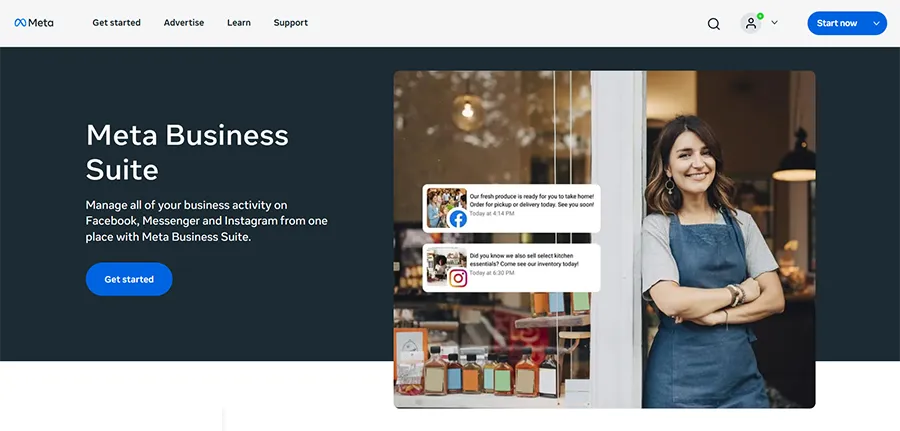
Meta Business Suite
Meta Business Suite provides Instagram Insights, giving detailed analytics on posts, reels, stories, audience demographics, and profile activity. It helps optimize content performance and improve overall Instagram SEO strategy.
Hootsuite
Hootsuite tracks engagement metrics, analyzes which captions, hashtags, and post types perform best, and offers competitor insights to refine your Instagram SEO approach and boost content visibility.
Later
Later allows users to schedule posts, plan visuals, and discover trending hashtags. It uses performance data to suggest improvements, helping maximize reach and engagement on Instagram.
Google Trends
Google Trends shows the latest global search patterns, enabling creators to align Instagram content with trending topics. It helps improve relevance and discoverability for audiences on the platform.
Sprout Social
Sprout Social delivers in-depth analytics on audience behavior, competitor performance, and hashtag effectiveness. Using Sprout Social insights helps refine Instagram SEO strategies and increase overall engagement.
Before exploring advanced optimization techniques, it can also be useful to understand how social engagement influences search visibility, helping content reach a wider audience organically.
Summary of Instagram for SEO
Understanding Instagram for SEO allows businesses and creators to enhance their visibility and reach on the platform. Optimizing profiles, captions, hashtags, and engagement signals ensures content is easier to discover and resonates with the right audience.
By strategically planning posts, maintaining a consistent niche, and monitoring performance through analytics, Instagram can become a powerful part of a broader digital marketing approach.
Consistent optimization and high-quality content not only increase search visibility but also build trust and long-term brand authority. Applying these strategies helps brands grow sustainably and connect with audiences effectively.