

Google Business Profile optimization is an essential strategy for businesses aiming to increase local search visibility and attract more customers. With search engines displaying rich business information directly in search results and maps, optimizing your profile has become a key driver of local conversions.
For businesses of all sizes—from single-location shops to multi-location enterprises—GBP optimization affects local SEO, builds trust, and improves customer engagement. When implemented effectively, it can lead to increased calls, website visits, and foot traffic. Local SEO experts consistently highlight profile completeness, reviews, and active engagement as core factors for ranking and visibility.
This guide is designed for business owners, marketers, and service providers seeking to leverage their Google Business Profile to its fullest potential. Whether you are managing a single store or dozens of locations, following the steps outlined here will help you maintain a strong local presence and gain a competitive edge.
What Is Google Business Profile?
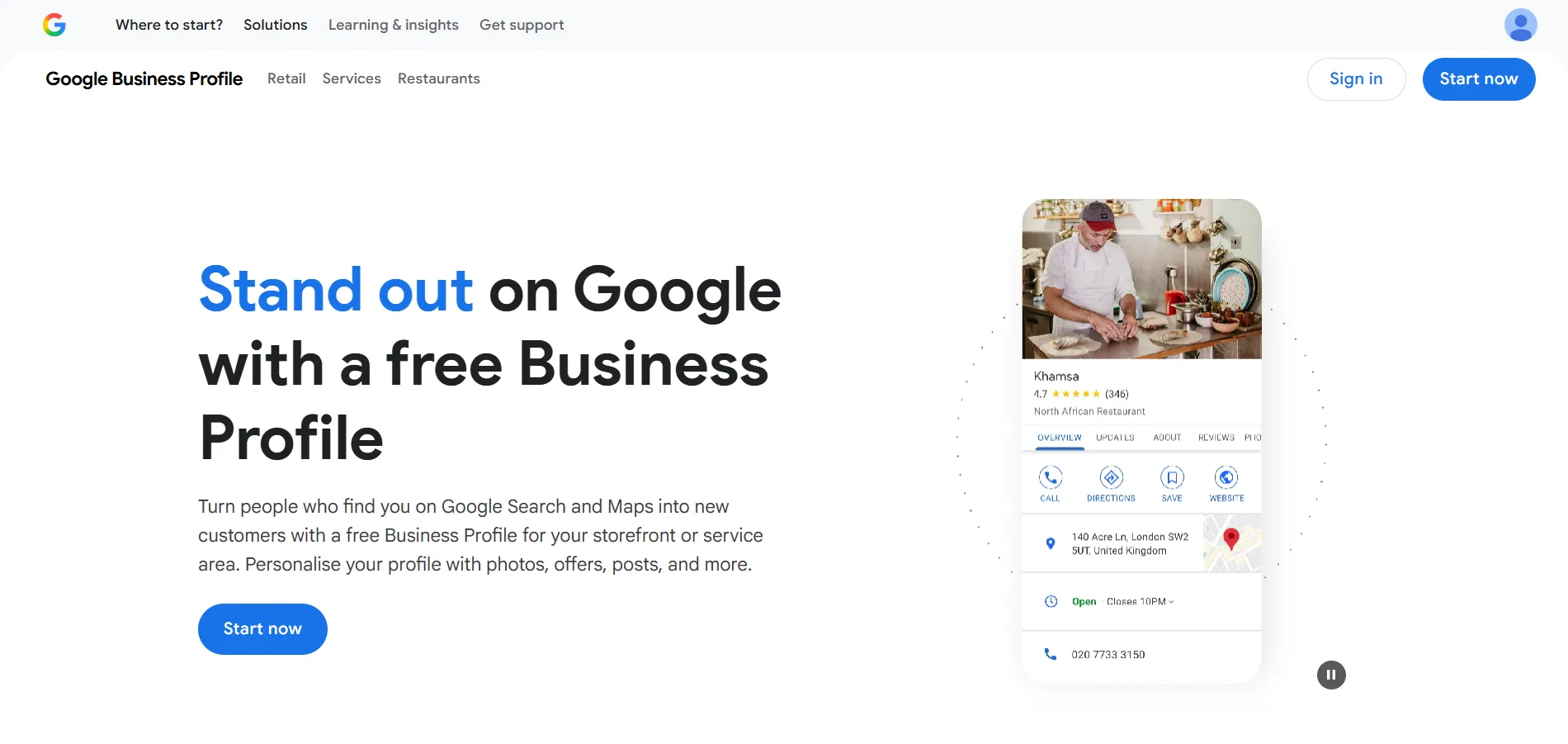
Google Business Profile (GBP) is a free platform provided by Google to help businesses manage how they appear across Google Search and Google Maps. The profile includes crucial business information such as your name, address, phone number, hours, services, photos, and customer reviews.
Previously known as Google My Business (GMB), GBP has evolved to allow easier management directly through Google Search, simplifying updates and improving real-time accuracy. Businesses no longer need a separate dashboard for most edits, making it easier to maintain consistency across listings.
A Google Business Profile appears in several locations: in organic search results for branded or local searches, in Google Maps searches, and within the Local Pack, which often appears above traditional website listings. Unlike standard websites, GBP allows customers to call, message, request directions, and even book services directly from the search results, making it a critical tool for capturing local leads.
Why Google Business Profile Is Important for Local SEO
A well-managed Google Business Profile can significantly affect how a business appears in local search results. The following section outlines the key factors that influence visibility, credibility, and customer engagement, highlighting the importance of effective GBP optimization for local search performance.
Role of Google Local Ranking Factors
A complete and optimized profile directly affects local ranking signals. Google evaluates accuracy, engagement, reviews, categories, and activity on the profile to determine relevance for local queries. Businesses with complete profiles are more likely to appear for searches relevant to their services and location.
Impact of “Near Me” and Location-Based Searches
Proximity-based searches have become increasingly common. Users searching for products or services often add “near me” to their queries, and Google prioritizes profiles that accurately reflect business location and service areas. A precise address, service area, and correct contact information ensure you appear for customers actively seeking local solutions.
Advantages of the Local Pack for Optimized Profiles
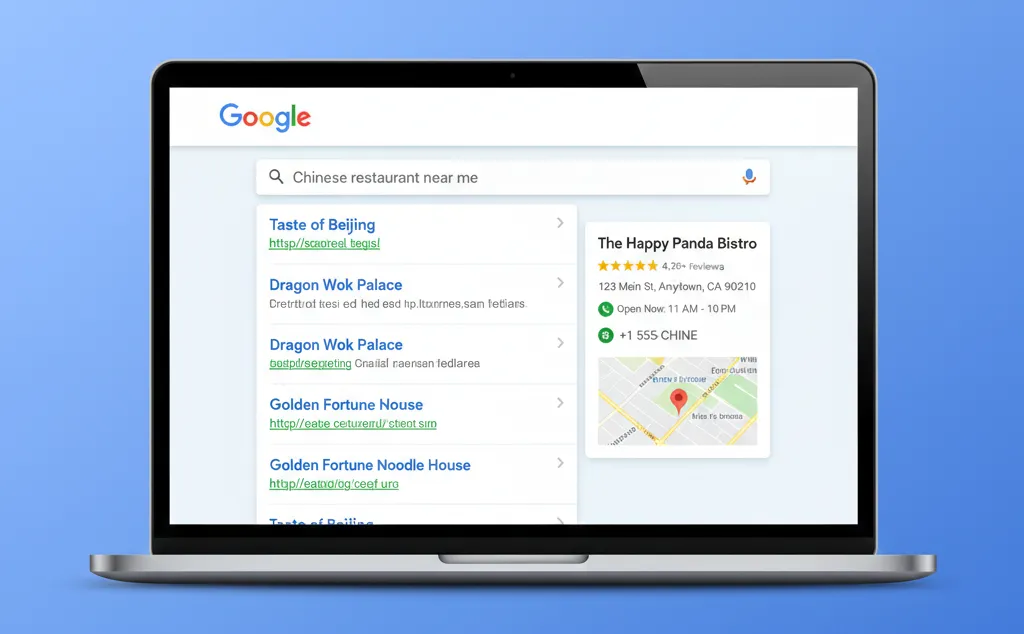
The Local Pack, sometimes called the “Map Pack,” appears above organic results for the majority of local intent searches. Optimized profiles within the Local Pack gain premium visibility, attracting clicks and engagement before website links are even seen. Businesses with incomplete or unverified listings risk being excluded from these high-visibility slots.
Trust and Credibility Signals
Google verification, positive reviews, and consistent profile information communicate legitimacy to users. Profiles that are complete and actively managed are more trusted, influencing customer decision-making and increasing the likelihood of conversions.
Mobile-First Features for On-the-Go Users
Mobile users account for a significant portion of local searches. Features like click-to-call, directions, and interactive maps enable customers to act immediately, turning searches into real-world visits and inquiries. Optimized profiles are essential for capturing this mobile-driven demand.
Insights and Data for Understanding Customer Discovery
Google Business Profile provides valuable insights about how customers find and interact with your business. Metrics such as direct searches, discovery searches, and actions taken (calls, direction requests, clicks) allow you to refine local SEO strategies and prioritize areas of improvement.
Competitive Visibility Compared to Inactive Profiles
Businesses with active, complete profiles gain a competitive advantage over those that neglect GBP. Incomplete or outdated profiles risk losing visibility to competitors who maintain updated information, engage with reviews, and leverage photos and posts.
Complete Google Business Profile Optimization Checklist
Optimizing a Google Business Profile requires attention to detail at every level. This checklist provides clear guidelines for each essential element needed to create a fully optimized, high-performing profile.
1. Core Identity & NAP Consistency
Consistency is the bedrock of local search. NAP stands for Name, Address, and Phone Number, and these must be identical everywhere they appear online.
- Business Name: Use your legal business name exactly as it appears on your signage. Avoiding keyword stuffing is crucial; adding terms like “Best Plumber in Bangalore” to your name can lead to immediate profile suspension.
- Address: Ensure your address is accurate to the suite number. If you are a Service Area Business (SAB), you should hide your physical address to protect your privacy and instead define the specific cities or PIN codes you serve.
- Phone Number: Always prioritize a local phone number over a toll-free one. This reinforces your local presence and builds trust with residents in your area.
2. Category Selection (The Foundation)
Categories tell Google exactly what your business is, rather than what it sells.
- Primary Category: This is the most influential factor for your ranking. Choose the category that most accurately describes your overall business (e.g., “Chinese Restaurant” rather than just “Restaurant”).
- Secondary Categories: Use these to provide additional context without “category dilution.” If your Chinese restaurant also has a bar and offers catering, add “Bar” and “Caterer” as secondary options to capture those specific searches.
3. The “From the Business” Description
This 750-character field is your elevator pitch. You should use it to highlight your unique selling points, your history, and what sets you apart from the competition.
- Copywriting: Start with the most important information, as the description is often truncated in mobile views. Focus on benefits and your mission.
- Keyword Integration: This is a great place for the natural placement of local keywords. Mentioning the neighborhoods you serve or specific flagship services helps with relevance, provided it reads naturally to a human.
4. Visual Content: Photos & Videos
Human beings are visual creatures, and high-quality imagery is a major conversion driver.
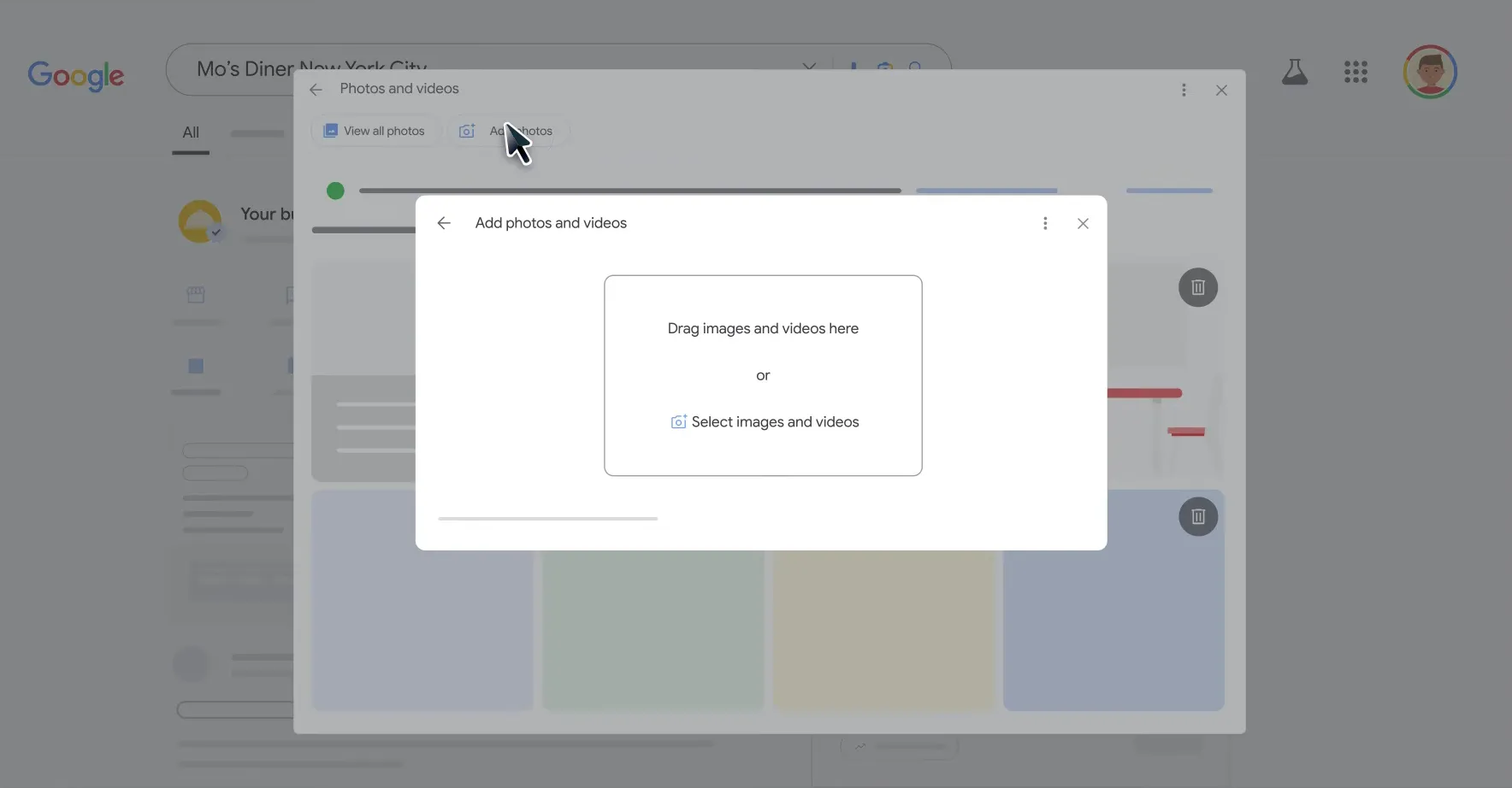
- Photo Categories: Upload clear shots of the exterior (to help people recognize your building), the interior (to show the atmosphere), and your team (to humanize the brand).
- Technical Specs: Avoid stock photos at all costs. Google’s AI can recognize them, and they feel inauthentic to users. Use high-resolution images taken in natural light.
- Video Integration: Incorporating 30-second clips, such as a quick tour of your facility or a “meet the owner” segment, can significantly increase the time users spend engaging with your listing.
Learn more about managing photos and videos for your Business Profile from Google’s official guidelines.
5. Review Management (The Social Proof Engine)
Reviews are the digital version of word-of-mouth marketing and are a top-tier ranking factor.
- Asking for Reviews: Implement a systematic way to ask satisfied customers for feedback via email, SMS, or QR codes on-site.
- The Power of Response: Responding to every review, whether positive or negative, shows that the business is attentive and professional. A thoughtful response to a complaint can often reduce the impact of a low rating and maintain customer trust.
- Keywords in Reviews: While you shouldn’t tell customers what to write, the language they use (e.g., “best electrician in Delhi”) helps Google understand your business’s authority in specific niches.
6. Google Posts: Your Social Feed on Search
Google Posts are like “mini-ads” that appear directly on your profile, allowing you to share news and updates.
- Types of Posts: Use “Offers” to drive sales, “What’s New” for general updates, and “Events” for upcoming workshops or grand openings.
- Frequency: Aim to post at least once a week. This “freshness” signal tells Google that your business is active and providing current information to searchers.
7. Product & Service Menus
Filling out these sections creates “structured data” that Google can use to match you with very specific queries.
- Product Editor: If you sell physical items, upload them with photos and prices. This creates a “shopping” experience directly within the search results.
- Service Menu: List every specific service you offer (e.g., “Ayurvedic Massage,” “Hot Oil Therapy”). This ensures you show up for niche searches that a broad category might miss.
8. Advanced Features
Don’t ignore the smaller features that can give you an edge over the competition.
- Q&A Section: Pre-populate your own FAQ. If you know people always ask about parking or insurance, ask the question yourself and provide the official answer.
- Booking & Messaging: Enable these to reduce the “time to lead.” If a customer can book an appointment or text you a question directly from the search result, they are less likely to click on a competitor.
- Attributes: Use attributes to highlight specific values, such as “Free Wi-Fi,” “Parking Available,” or “Home Delivery Available.” These small badges help you stand out to specific demographics.
Google Business Profile Optimization for Multi-Location Businesses
Managing a brand with multiple storefronts requires a balance between corporate consistency and local authenticity. When handling dozens or hundreds of listings, the complexity of GBP optimization increases significantly.
1. Managing Multiple Profiles at Scale
For brands with more than 10 locations, using a bulk management tool or a master spreadsheet is essential. You must ensure that each location is verified under a single organizational account to prevent fragmented data.
2. Location-Specific Optimization
While the brand name remains the same, each profile should be unique to its physical location. This means using local phone numbers rather than a 1-800 corporate line and uploading photos of that specific building and local team.
3. Brand Consistency vs. Local Relevance
Your “From the Business” description should have a consistent brand voice, but it should also mention the specific neighborhood or city landmarks relevant to that branch. This helps Google associate each specific listing with its micro-region.
Common Google Business Profile Optimization Mistakes to Avoid
Even seasoned marketers can make errors that hinder their local performance. Avoiding these pitfalls is a critical part of a successful GBP optimization strategy.
Keyword Stuffing in Business Names
Overloading a business name with keywords, such as “Best Electronics Store in Delhi,” can trigger Google penalties or profile suspension. It also looks unprofessional to customers. The name should always reflect the registered or legal business name exactly as it appears offline, without extra descriptors.
Inconsistent NAP Information
Name, Address, and Phone number (NAP) must be consistent across all listings, social media profiles, and the business website. Inconsistencies confuse Google and customers alike, reducing trust and negatively affecting local search rankings. Even minor differences, like abbreviations in street names, can impact credibility.
Ignoring Reviews and Q&A
Neglecting customer reviews or questions makes a business appear unresponsive and disengaged. Responding to both positive and negative feedback demonstrates professionalism, builds trust, and signals to Google that the business is active and relevant, which can positively influence local ranking performance.
Using Low-Quality or Stock Images
Uploading blurry, low-resolution, or generic stock images harms credibility and reduces engagement. Customers are more likely to trust and interact with profiles showing real photos of the business, staff, products, or premises. High-quality, authentic images also help Google understand what your business offers.
Not Updating Business Details
Outdated information, such as incorrect opening hours, discontinued services, or wrong contact details, frustrates customers and leads to lost sales. Regularly auditing and updating your Google Business Profile ensures that all information is accurate, builds customer trust, and improves local search performance over competitors.
Google Business Profile Optimization Best Practices
To maintain a competitive edge, you must view your profile as a living entity that requires ongoing attention and strategic alignment.
Ongoing Optimization vs. One-Time Setup
Many businesses “set it and forget it,” but the best-performing profiles are audited monthly. This includes checking for “suggested edits” from the public, which can change your hours or website link without your permission if you aren’t paying attention.
Content Freshness Signals
Google loves active businesses. By regularly adding new photos and posts, you are signaling that your business is open and thriving. This “activity score” is a subtle but real factor in maintaining high rankings.
Customer Engagement Strategies
Treat your profile like a social media channel. Encourage users to upload their own photos and videos of their experience. The more user-generated content your profile has, the more authoritative it appears to the algorithm.
Aligning GBP with Website Local SEO
Your website’s landing pages should mirror the information on your GBP. If you are targeting “Bakery in Mumbai,” that phrase should appear on the page your profile links to. This creates a cohesive “relevance loop” for Google’s crawlers.
Supporting Local Services Ads (LSAs) with GBP
If you use Google’s paid Local Services Ads (the “Google Guaranteed” checkmark), your GBP reviews are the primary social proof shown in those ads. An optimized profile ensures your paid advertising budget goes much further.
Regular Profile Audits and Monitoring
Schedule a “sanity check” once a month. Review your insights to see if there are any sudden drops in views or calls, which could indicate a technical issue or a new, aggressive competitor in your area.
Performance Tracking Using GBP Insights
Use the built-in analytics to understand your ROI. Track “Direct” searches (people who know your name) versus “Discovery” searches (people who found you via category). A healthy GBP optimization strategy should see a steady increase in discovery searches over time.
Final Thoughts: Maximizing Local Visibility with GBP Optimization
Google Business Profile optimization is a critical driver of local search visibility, trust, and customer engagement. Profiles that are complete, accurate, and actively maintained consistently outperform inactive or incomplete competitors.
Long-term benefits include increased leads, improved local search rankings, and higher conversion rates. Businesses that integrate GBP optimization into their broader local marketing strategies create a sustainable, competitive advantage.
Actionable next steps include auditing your profile for completeness, updating photos and descriptions, engaging with reviews, and using insights to guide ongoing improvements. Consistent attention to GBP ensures your business remains visible, credible, and attractive to potential local customers.