


B2B marketing strategies are no longer limited to trade shows, cold calls, and static email campaigns. Today, business buyers are digitally mature, research-driven, and highly selective about the brands they engage with. As buying committees expand and sales cycles grow longer, organizations must rethink how they attract, nurture, and convert prospects.
Modern growth depends on data, personalization, and trust built over time. With guidance from skilled digital marketing experts, businesses are aligning technology, content, and human insight to create meaningful connections that drive long-term revenue instead of short-term wins.
What is B2B Marketing?
B2B marketing refers to the processes and practices companies use to promote products or services to other businesses rather than individual consumers. Unlike consumer-focused campaigns that often rely on emotion or impulse, this approach centers on logic, return on investment, efficiency, and long-term value. Decision-making typically involves multiple stakeholders, including executives, managers, technical evaluators, and procurement teams, each with different priorities.
At its core, b2b marketing focuses on educating potential buyers, addressing complex pain points, and building credibility over time. Content such as white papers, case studies, webinars, and in-depth guides plays a central role because buyers want proof, not promises. Relationship-building is equally critical, as trust often determines whether a deal progresses or stalls.
In modern business to business marketing environments, success comes from understanding the buyer journey deeply. Organizations must deliver the right message, through the right channel, at the right moment, while maintaining consistency across sales and marketing teams.
Top B2B Marketing Strategies
The following b2b marketing strategies represent the most effective approaches shaping how organizations generate demand, nurture leads, and accelerate growth in competitive markets.
1. Account-Based Marketing (ABM)
Account-Based Marketing shifts the focus from broad lead generation to targeting a carefully selected list of high-value accounts. Instead of treating all prospects equally, ABM treats each priority account as a market of one. Marketing and sales teams collaborate closely to develop personalized campaigns that speak directly to the needs, challenges, and goals of specific organizations.
This approach often includes customized landing pages, tailored content assets, personalized outreach, and even physical experiences designed for key decision-makers. Because ABM concentrates resources on accounts with the highest revenue potential, it typically delivers stronger alignment between teams and higher return on investment than traditional volume-based tactics.
2. Intent-Based Targeting
Intent-based targeting allows marketers to identify prospects who are actively researching solutions within a specific category. By analyzing behavioral signals such as content consumption, keyword searches, and engagement with competitor resources, organizations can determine when a buyer is entering the consideration phase.
This insight enables more timely and relevant outreach. Instead of generic messaging, teams can deliver content that directly addresses the prospect’s current interests. As a result, conversations feel helpful rather than intrusive, improving response rates and shortening the sales cycle.
3. Employee Advocacy
Trust has become one of the most valuable currencies in business to business marketing. In a landscape saturated with automated content, buyers increasingly rely on human voices. Employee advocacy programs empower subject matter experts, executives, and frontline professionals to share insights through their personal networks.
When employees publish thoughtful perspectives, industry commentary, or educational posts, the brand benefits from increased credibility and reach. These authentic interactions often generate higher engagement than branded channels alone, helping organizations build authority while humanizing their expertise.
4. Video-First Content Strategy
Video has evolved into a primary communication format for professional audiences. Buyers use video to evaluate solutions, understand complex concepts, and assess credibility. A video-first approach prioritizes formats that are easy to consume and highly engaging.
Short instructional videos can answer common questions quickly, while personalized asynchronous videos allow sales teams to connect with prospects in a more human way. This strategy supports both awareness and conversion by making information accessible without overwhelming the viewer.

5. Content Syndication
Content syndication extends the reach of high-value assets by placing them on trusted third-party platforms where target audiences already spend time. This strategy allows companies to generate qualified leads at a predictable cost while benefiting from the credibility of established publications or communities.
When executed well, syndicated content reaches buyers who may not yet be familiar with the brand but are actively seeking solutions. The key is ensuring the content delivers genuine value, positioning the organization as a helpful authority rather than a promotional voice.
6. Search Engine Optimization and Answer Engine Optimization
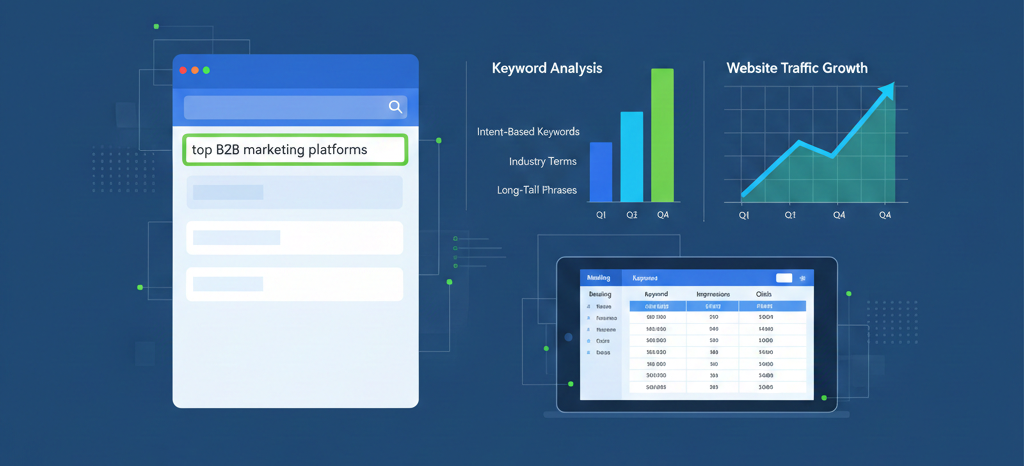
Search visibility remains a cornerstone of sustainable growth. Modern optimization goes beyond traditional keyword targeting to focus on answering specific questions buyers ask throughout their research process. Search Engine Optimization ensures strong rankings through well-structured content, schema markup, and long-tail keyword coverage, while Answer Engine Optimization (AEO) focuses on formatting information so it can be directly surfaced as clear answers by AI-driven and conversational search platforms.
For organizations investing in B2B SEO alongside AEO, this combined approach improves visibility across both traditional search results and answer-based discovery experiences. The result is increased credibility, higher-quality traffic, and stronger alignment with how modern buyers search for information.
7. Interactive Tools and Calculators
Interactive tools provide immediate, personalized value to prospects while capturing meaningful engagement data. Examples include return-on-investment calculators, assessment tools, and benchmarking resources tailored to specific industries or roles.
These experiences stand out because they offer something tangible in exchange for minimal information. By helping buyers quantify outcomes or diagnose challenges, interactive tools move prospects further along the decision journey while positioning the brand as a problem-solver.
8. Micro-Communities
As public social platforms become increasingly crowded, smaller private communities have gained influence. Micro-communities such as invite-only groups or niche forums allow professionals to exchange insights, recommendations, and experiences in a trusted environment.
Participating in or hosting these spaces enables brands to listen more than they sell. Over time, consistent contribution builds credibility and relationships that influence purchasing decisions organically.
9. Hyper-Personalized Email Nurturing
Email remains a powerful channel when personalization moves beyond first names. Advanced nurturing programs use behavioral data to trigger messages based on specific actions, interests, and stages in the buying journey.
Content adapts dynamically to reflect the recipient’s role, industry, and current challenge. This relevance increases engagement and positions the brand as attentive and informed rather than automated and generic.
10. Experiential and Event Marketing
Despite digital acceleration, in-person experiences have regained importance as buyers seek meaningful connections. Smaller, curated events such as workshops, roundtables, or private dinners create opportunities for deeper engagement.
These experiences prioritize conversation, education, and relationship-building over overt selling. When aligned with broader b2b marketing strategies, experiential initiatives strengthen trust and accelerate deal momentum.
11. Customer Proof and Advocacy
Peer validation plays a decisive role in purchasing decisions. Beyond traditional case studies, modern buyers look for reviews, testimonials, and real-world feedback from similar organizations.
Encouraging satisfied customers to share their experiences through reviews, video testimonials, or community discussions amplifies credibility. Authentic advocacy reassures prospects and reduces perceived risk during evaluation.
12. Paid Social Retargeting
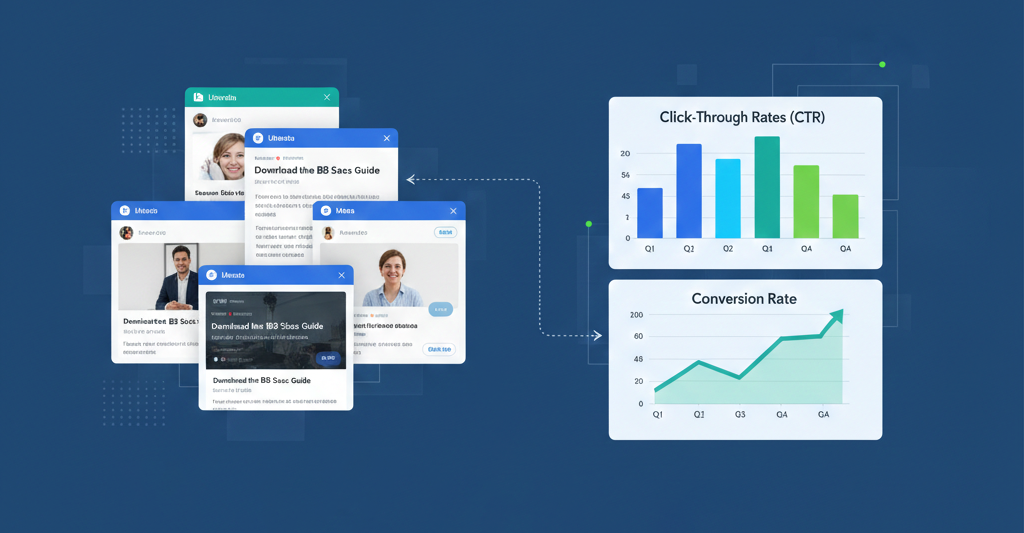
Most buyers require multiple touchpoints before taking action. Paid social retargeting helps brands remain visible throughout extended research cycles by delivering relevant content to previous visitors.
Instead of focusing solely on conversion offers, effective retargeting educates and supports prospects with resources aligned to their interests. This steady presence reinforces brand recall and trust over time.
The Role of Digital Evolution in B2B Growth
Digital transformation has reshaped how organizations approach growth. While traditional channels remain relevant, data-driven insights and automation have expanded what is possible. Many companies now integrate b2b digital marketing strategies into broader demand-generation frameworks, ensuring consistency across channels and touchpoints.
At the same time, b2b digital marketing has shifted expectations around speed, relevance, and personalization. Buyers expect seamless experiences that respect their time and intelligence. Organizations that balance technology with human understanding are best positioned to thrive.
Conclusion
The future of growth depends on how well organizations adapt to changing buyer behavior and rising expectations. Effective b2b marketing strategies combine personalization, trust, and insight to guide prospects through complex decisions with clarity and confidence. By investing in relationships, data, and thoughtful execution, businesses can build resilient pipelines and sustainable success in an increasingly competitive landscape.